Trying to choose between West Hills and Woodland Hills for your next move? You are not alone. These neighboring West Valley communities can look similar at first glance, but they offer meaningfully different day-to-day experiences, price points, and housing options. If you want a clearer way to compare them, this guide will help you sort through the details that matter most. Let’s dive in.
West Hills vs Woodland Hills at a glance
West Hills and Woodland Hills sit next to each other within the same Los Angeles community-plan area, but they do not feel exactly the same in practice. Woodland Hills also includes Warner Center, an area City Planning identifies for coordinated commercial and residential development, transportation improvements, and mixed-use growth.
That planning context helps explain a lot. Woodland Hills tends to feel more convenience-driven and commercially active, while West Hills often feels more residential, more low-key, and more connected to open space.
Home prices and market pace
If price is high on your list, the latest median sale numbers show a clear difference. In May 2026, West Hills had a median sale price of $1,069,640, while Woodland Hills came in at $1,211,592.
That puts Woodland Hills about $141,952 higher based on that snapshot. For many buyers, that gap can affect not only budget but also the type of home, lot size, and updates you may be able to prioritize.
The pace of the market is a little different too. West Hills homes averaged 36 days on market in May 2026, compared with 46 days in Woodland Hills.
That suggests West Hills was moving faster at that point, even with a lower median price. The same data also described West Hills as very competitive and Woodland Hills as somewhat competitive.
Housing types you are likely to see
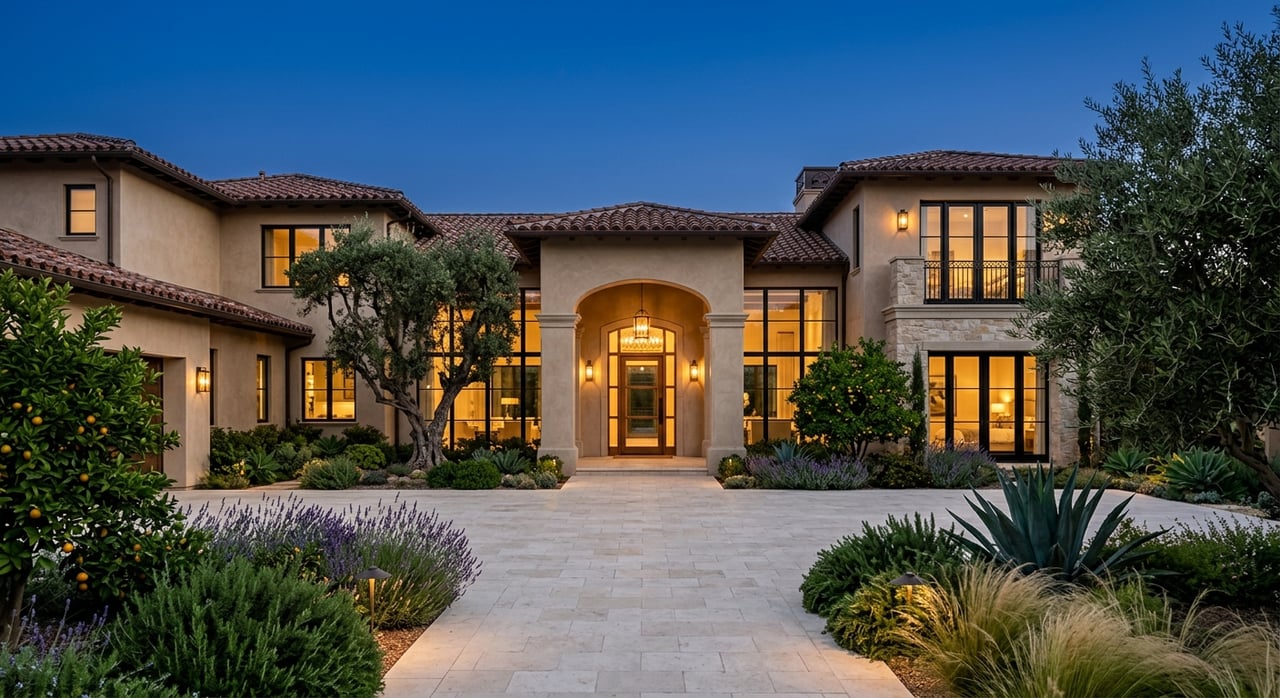
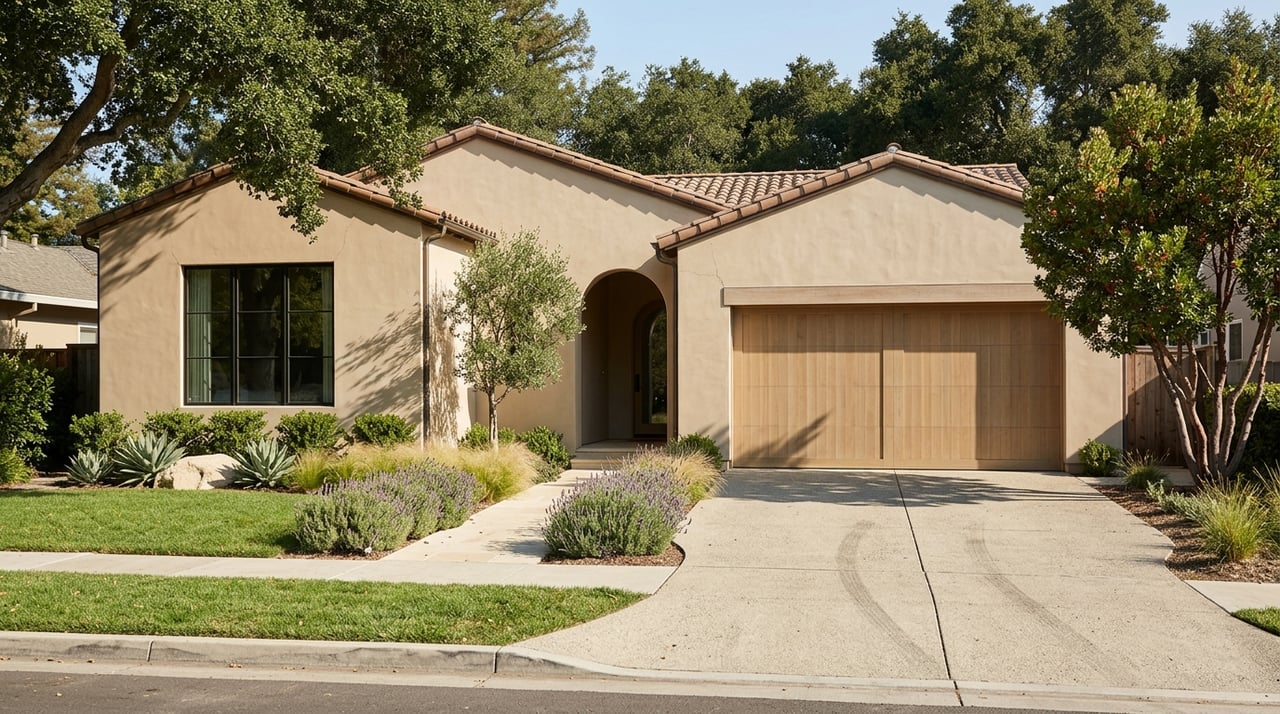
West Hills generally leans more toward detached single-family homes. Current listing patterns often show single-story or ranch-style homes, larger lots, pools, and garages.
Woodland Hills offers a broader mix. Along with single-family homes, you are more likely to see hillside properties, homes south of Ventura Boulevard, and a wider range of condos and townhomes, especially around Warner Center.
In simple terms, West Hills may appeal more if you want a classic detached-home setting. Woodland Hills may stand out if you want more variety in home style, location, or entry point.
Daily convenience and commuting
Neither neighborhood functions like a highly walkable urban core. Both remain car-dependent, which is important to keep in mind if your routine depends on doing most errands on foot.
That said, Woodland Hills has a slight edge in access and convenience. Current scores show West Hills at Walk 43, Transit 36, and Bike 46, while Woodland Hills scores Walk 46, Transit 41, and Bike 40.
Those are not dramatic differences, but they do support what many buyers notice on the ground. Woodland Hills often feels easier for combining errands, dining, and workday stops in one trip.
A big reason is Warner Center and the broader Ventura Boulevard corridor. City planning documents point to ongoing mixed-use and transportation-focused development in that area, which helps explain Woodland Hills’ denser activity pattern.
West Hills tends to feel more residential at the edge of open space. If your ideal day looks quieter and more home-centered, that can be a real advantage.
Shopping, dining, and errands
For many buyers, lifestyle comes down to where you grab groceries, meet friends, or knock out a Saturday to-do list. This is one of the clearest differences between the two neighborhoods.
In West Hills, the main retail hub is Fallbrook Shopping Center. It is a 1.12-million-square-foot open-air center anchored by Target, Ralphs, Trader Joe’s, and Sprouts, along with tenants like Home Depot, AMC, and Petco.
That makes West Hills practical and efficient for drive-to errands. The retail pattern feels more big-box and destination-based than street-retail oriented.
Woodland Hills has a broader commercial mix centered around Ventura Boulevard, Topanga Canyon Boulevard, Westfield Topanga, and Topanga Village. This setup supports a deeper concentration of shopping, dining, entertainment, and service uses.
If you value having more choices close together, Woodland Hills likely feels more flexible. If you prefer a simpler, more suburban errand pattern, West Hills may feel easier to navigate.
Outdoor access and recreation
If being near trails and open space matters to you, West Hills has a strong identity here. The neighborhood includes access to the Upper Las Virgenes Canyon Open Space Preserve through the Victory Trailhead at the western end of Victory Boulevard.
That preserve spans 5,600 acres and includes hiking, biking, and equestrian trails. West Hills also has local recreation options such as Shadow Ranch Recreation Center and the West Hills Sports Center and Adam Bischoff Soccer Fields.
Woodland Hills also offers outdoor options, just with a slightly different feel. Serrania Park includes a hiking trail, walking paths, a play area, and picnic tables, and Woodland Hills Recreation Center adds another neighborhood resource.
Nearby Topanga State Park expands the menu even more with 36 miles of trails. Still, the everyday identity of Woodland Hills tends to blend parks and recreation with a stronger retail and dining base.
Which neighborhood fits your lifestyle?
The better choice often depends less on which neighborhood is "better" and more on how you want your day-to-day life to feel. Small differences in layout, housing mix, and convenience can shape your experience more than a map ever will.
Choose West Hills if you want
- A lower median price point compared with Woodland Hills
- More detached single-family home character
- A quieter, more residential setting
- Close access to preserve land and trailheads
- Big, practical retail centers for everyday errands
Choose Woodland Hills if you want
- More housing variety, including condos and townhomes
- Stronger shopping and dining concentration
- Slightly better walk and transit access
- A busier commercial core around Ventura Boulevard and Warner Center
- More flexibility for combining errands, dining, and recreation
A simple side-by-side comparison
| Category | West Hills | Woodland Hills |
|---|---|---|
| Median sale price, May 2026 | $1,069,640 | $1,211,592 |
| Days on market, May 2026 | 36 | 46 |
| Market feel | Very competitive | Somewhat competitive |
| Housing pattern | More detached single-family homes | Broader mix of homes, condos, and townhomes |
| Walk / Transit / Bike | 43 / 36 / 46 | 46 / 41 / 40 |
| Retail style | Drive-to retail centers | Ventura corridor, mall, village, mixed retail |
| Outdoor identity | Strong preserve and trail access | Parks plus nearby larger trail systems |
What this means for your next move
If you are comparing West Hills and Woodland Hills, the decision often comes down to trade-offs. West Hills may give you slightly more value, a more residential setting, and stronger direct access to open space.
Woodland Hills may offer more variety, more built-in convenience, and a more active commercial environment. Neither choice is one-size-fits-all, which is why a local, property-by-property strategy matters.
If you want help comparing specific streets, home types, or current opportunities in West Hills or Woodland Hills, Michael Bloom offers a discreet, local-first approach rooted in deep West Valley market knowledge.
FAQs
Is West Hills or Woodland Hills more expensive for homebuyers?
- Woodland Hills had the higher median sale price in May 2026 at $1,211,592, compared with $1,069,640 in West Hills.
Do homes sell faster in West Hills or Woodland Hills?
- West Hills homes sold faster in the May 2026 snapshot, averaging 36 days on market versus 46 days in Woodland Hills.
Is Woodland Hills more walkable than West Hills?
- Woodland Hills is slightly more walkable and transit-friendly based on current scores, but both neighborhoods are still considered car-dependent.
Does West Hills offer better access to outdoor recreation?
- West Hills has a stronger direct open-space identity because the Victory Trailhead connects the neighborhood to the 5,600-acre Upper Las Virgenes Canyon Open Space Preserve.
Does Woodland Hills have more shopping and dining than West Hills?
- Yes. Woodland Hills has a stronger concentration of shopping, dining, and entertainment around Ventura Boulevard, Warner Center, Westfield Topanga, and Topanga Village.