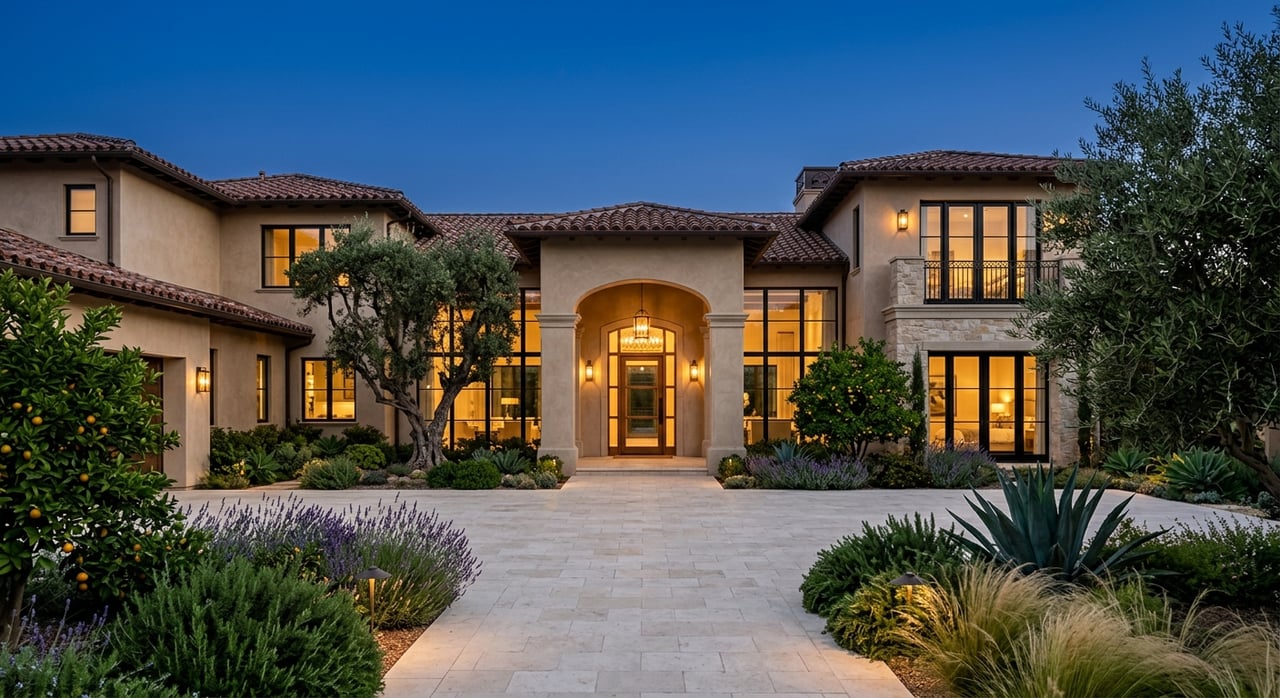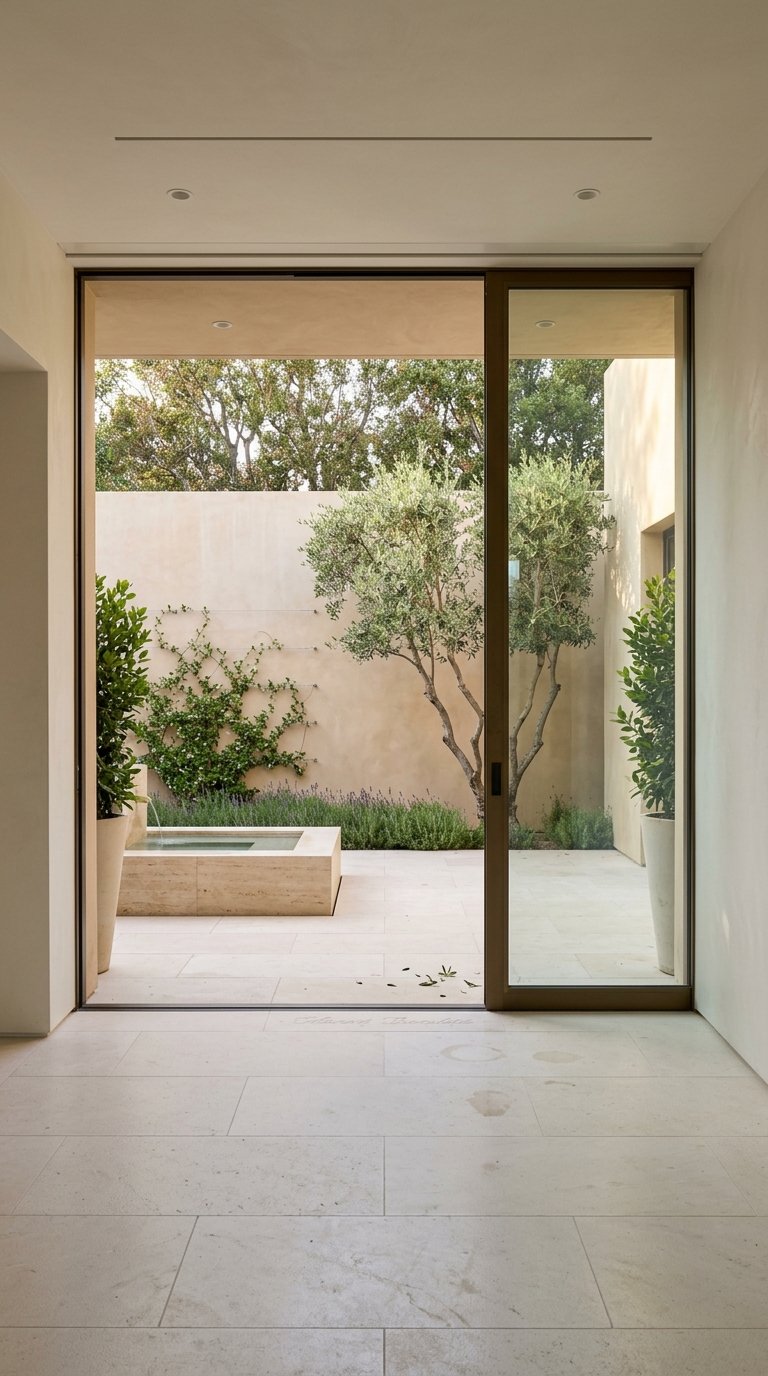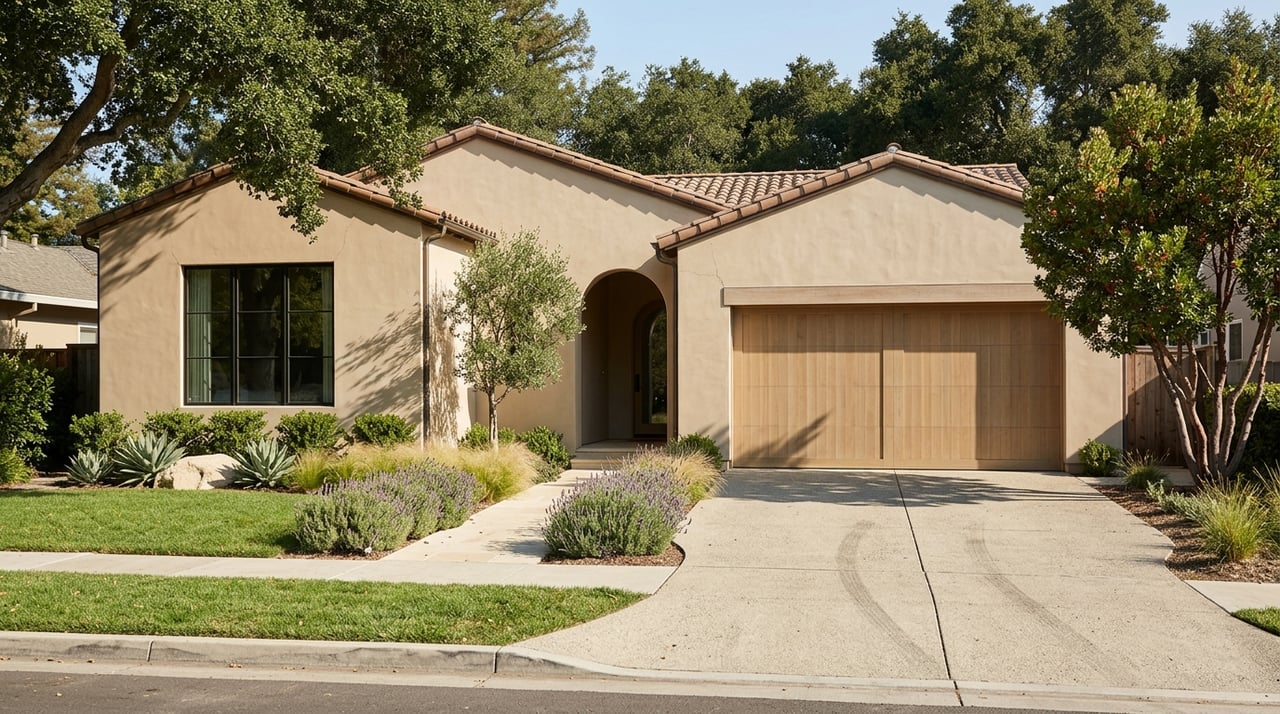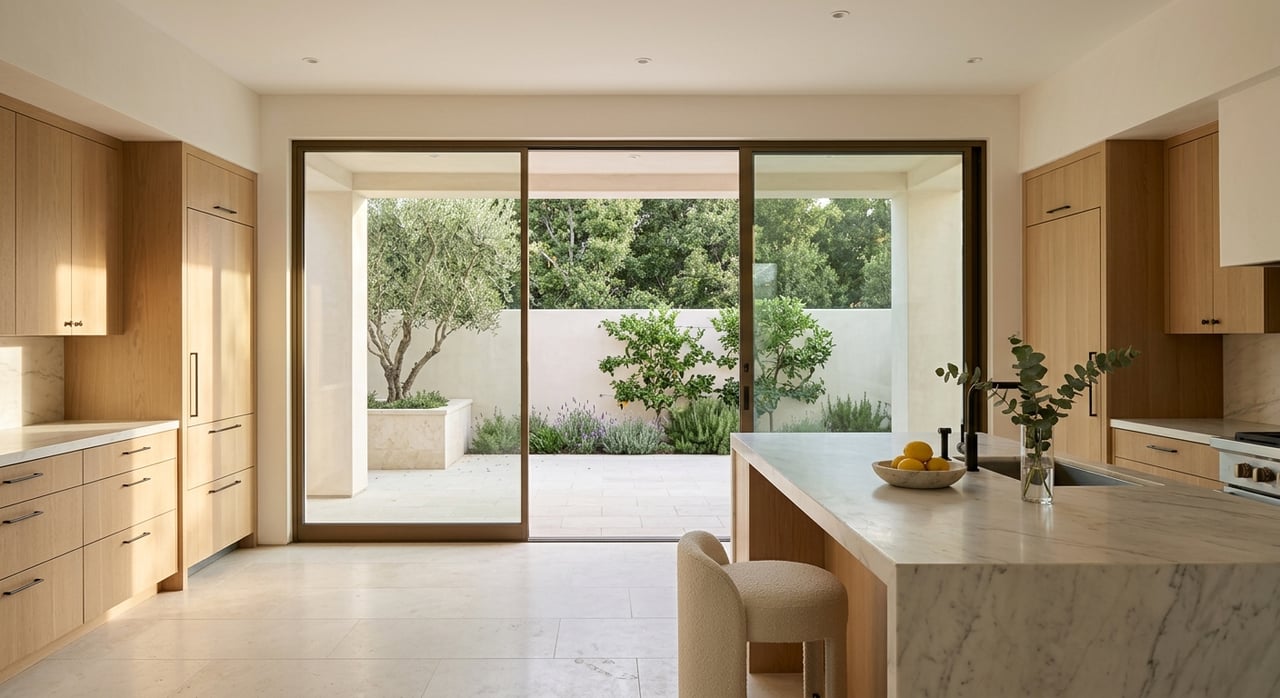
A second home in Malibu can look perfect on paper, then feel very different once you factor in access, coastal rules, and how you actually want to spend your time there. If you are drawn to Malibu for its oceanfront lifestyle, privacy, and year-round escape factor, the right enclave matters just as much as the right house. This guide will help you compare Malibu’s main second-home settings, understand the tradeoffs, and build a smarter shortlist before you tour properties. Let’s dive in.
Malibu Second-Home Choices
In practical terms, most second-home buyers in Malibu are choosing between three lifestyle settings: beachfront and near-beach strips, canyon retreats, and hillside or plateau neighborhoods. Each one offers a different balance of access, privacy, views, and day-to-day convenience.
Because Malibu is a 21-mile coastal city within the California coastal zone, ownership here is shaped by the city’s Local Coastal Program. That means development, shoreline access, and neighborhood character are influenced by coastal regulation as well as market demand.
Beachfront and Near-Beach Strips
If your vision of Malibu starts with sand just outside your door, the beachfront strips are the clearest fit. The central beach core around Malibu Colony Road and Malibu Road, along with Carbon Beach, Broad Beach, and shoreline areas near Point Dume and Escondido, offer the classic Malibu coastal experience.
City documents describe Malibu Colony Road and Malibu Road as having both single-family and multi-family residences. Carbon Beach, Broad Beach, and Malibu Road also sit in low-parcel-count or special-district settings, which reinforces a low-density coastal feel rather than a typical subdivision pattern.
For a second home, this setting often appeals to buyers who want immediate beach access, strong lifestyle appeal, and one of Malibu’s most recognizable addresses. The tradeoff is exposure. According to the city’s 2026 Coastal Vulnerability Assessment, beaches face high vulnerability, Malibu Pier is exposed to flooding and erosion, and parts of Pacific Coast Highway are highly vulnerable over time.
Canyon Retreat Settings
If privacy and a tucked-away feel matter more than walkability, Malibu’s canyon areas may be the better match. Serra Retreat is one of the clearest examples, with 96 single-family properties, two guard-gated drives, and a privately maintained portion of Cross Creek Road.
Other access-controlled areas include Corral Canyon and Malibu Bowl. The city notes that Corral Canyon Road is the only ingress and egress for some residents, which gives these locations a strong retreat character but also makes access a major part of the ownership equation.
For many second-home buyers, the appeal is simple: less activity, more privacy, and a calmer separation from the busier beach corridor. The tradeoff is that canyon living is more car-dependent and can be more affected by road closures, weather, and emergency access restrictions.
Hillside and Plateau Neighborhoods
For buyers who want Malibu lifestyle without being directly on the sand or deep in a canyon, hillside and plateau neighborhoods can offer a strong middle ground. Malibu Park and Point Dume are two of the most useful comparisons.
City planning materials describe Malibu Park as a long-established neighborhood surrounded by single-family residences. Point Dume is described in part by one- and two-story single-family homes in RR-1 zoning, with some condo pockets near Point Dume Plaza and along parts of the Malibu Road and Civic Center corridor.
These areas often work well for a second home because they can offer more space and a calmer residential feel while still keeping you close to beach life. Malibu Park is near Zuma Ridge Trail and the Zuma Beach area, while Point Dume connects you to Westward Beach, Point Dume State Beach, and the west-end shopping and service node around Heathercliff Road.
How To Match Malibu To Your Lifestyle
The best enclave for you depends less on price point alone and more on how you want the home to function. A second home usually works best when it supports your real routine, not just your vacation-day ideal.
Choose Beachfront for Iconic Access
If you want your time in Malibu centered on the ocean itself, beachfront or near-beach strips deserve a close look. These areas put surf, sand, and shoreline views at the center of daily life.
This setting can be a strong fit if your priority list includes direct beach use, a lock-and-leave coastal experience, and a strong sense of Malibu identity. It is less ideal if you want lower exposure to shoreline and corridor-related risks.
Choose Canyon Areas for Privacy
If you picture Malibu as a place to unplug, canyon settings may feel more natural. These enclaves tend to support a quieter, more insulated lifestyle.
This option often works well for buyers who value discretion, limited through-traffic, and a retreat mood over quick errands or easy walkability. It is important, though, to be realistic about access and emergency planning.
Choose Hillside Areas for Balance
If you want a broader mix of space, beach access, and practical daily function, hillside and plateau neighborhoods may be the most balanced choice. They can offer a beach-oriented lifestyle with a somewhat easier day-to-day base.
For many second-home buyers, this is where the shortlist becomes most compelling. You are still in Malibu’s coastal environment, but often with a little more breathing room and a less exposed feel than the beachfront strips.
Where Daily Convenience Is Strongest
Malibu is not arranged like a typical city with evenly distributed services. Knowing where errands, community facilities, and recreation cluster can help you choose a location that supports how often you plan to be in residence.
Civic Center as the Main Hub
The Malibu Civic Center is the city’s most service-dense area. City Hall, the Malibu Community Library, Cross Creek retail, Legacy Park, the Civic Center stormwater facility, and public EV charging are all located in or near this core.
Cross Creek Road is described by the city as the main arterial in the Civic Center area, where public facilities and community activity cluster. For second-home owners who want a more connected, town-center feel, this part of Malibu can be especially practical.
West Malibu Service Nodes
West Malibu has useful service anchors too, but they are more spread out. The city references Trancas Country Market near Zuma Beach and Trancas Beach, along with Point Dume Plaza and Malibu Colony Plaza.
These nodes matter because they can shorten your errand loop in a city where driving is part of daily life. If your second home is meant to be easy and low-friction, proximity to one of these service areas is worth weighing carefully.
Recreation as Part of Daily Living
In Malibu, convenience is not only about shopping and services. Access to outdoor recreation is a major part of how many owners use their second homes.
The city identifies Charmlee Wilderness Park, Malibu Creek State Park, Solstice Canyon Park, and the Santa Monica Mountains National Recreation Area as key recreation assets. If hiking, open space, and ocean-meets-mountains scenery are central to why you are buying here, nearby trail and park access should be part of your search criteria.
Malibu Due Diligence Matters More
A second home in Malibu calls for a different level of due diligence than many other coastal markets. Here, the setting that makes a property appealing can also create the most important ownership questions.
Coastal Exposure and Access
The first issue is not just the view. It is exposure over time.
The city’s 2026 Coastal Vulnerability Assessment says beaches have high vulnerability, local roads and Pacific Coast Highway face significant long-term exposure, and some neighborhoods could become isolated if major road impacts occur. For beachfront or bluff-edge buyers, shoreline condition, access patterns, and long-term maintenance should be part of the decision from the start.
Wildfire and Emergency Planning
Wildfire readiness is a core part of ownership in Malibu. The city is within a Very High Fire Hazard Severity Zone, and emergency planning includes Everbridge alerts, resident-only closures, and Dolphin Decal access identification during some restricted-entry events.
For second-home buyers, this means emergency preparation is not a side issue. It is part of the practical reality of owning here, especially if the home will not be occupied full time.
Rental Rules for Second Homes
If you may rent the property at any point, Malibu’s short-term rental rules deserve close review. The city states that residential properties rented for 30 days or less require a permit and are subject to transient occupancy tax.
The city also says that operating without a permit has been a violation since January 15, 2021. In addition, Malibu adopted a hosted short-term rental ordinance with onsite-host and primary-residency requirements for covered rentals, so not every second-home strategy will align with local rules.
Public Works and Special District Context
Some of Malibu’s most sought-after beachfront streets also come with specialized infrastructure or maintenance history. For example, Malibu Road is managed as a landslide maintenance district, and Broad Beach has an underground-utilities district and a biofiltration project.
That does not make these areas less desirable. It simply means that engineering, drainage, slope conditions, and shoreline maintenance can be a more visible part of ownership than buyers might expect in other luxury second-home markets.
A Simple Way To Narrow Your Search
If you want a practical starting point, use Malibu’s three settings as your first filter. That can save time and help you focus on enclaves that truly match how you plan to use the home.
A simple shorthand looks like this:
- Choose beachfront strips if you want the classic Malibu sand-and-surf experience.
- Choose canyon settings if privacy and a retreat atmosphere matter most.
- Choose Malibu Park, Point Dume, or Trancas-area living if you want a beach-oriented lifestyle with a somewhat more workable daily base.
For many buyers, the smartest move is not chasing the most famous address first. It is identifying the version of Malibu that will still feel right on an ordinary weekend, during a road closure, or when you need a simple run for essentials.
If you are weighing Malibu for a second home and want a more tailored, discreet read on which enclave best fits your goals, Michael Bloom can help you narrow the field with a concierge-level, relationship-first approach.
FAQs
What is the best Malibu area for a second home near the beach?
- If your top priority is direct sand and surf access, the beachfront and near-beach strips around Malibu Colony Road, Malibu Road, Carbon Beach, Broad Beach, and parts of Point Dume and Escondido are the most aligned with that lifestyle.
What is the difference between canyon and hillside living in Malibu?
- Canyon settings generally offer more privacy and retreat character, while hillside and plateau neighborhoods like Malibu Park and Point Dume often provide a more balanced mix of space, beach access, and everyday practicality.
What should second-home buyers know about Malibu road access?
- Pacific Coast Highway is Malibu’s main corridor, and city planning documents note vulnerability to long-term coastal impacts and transportation disruption in some areas, so access should be part of your buying decision.
What should second-home buyers know about Malibu wildfire planning?
- Malibu is in a Very High Fire Hazard Severity Zone, and the city uses emergency tools such as Everbridge notifications, resident-only closures, and Dolphin Decal identification during some restricted-access events.
Can you use a Malibu second home as a short-term rental?
- Malibu requires a permit for residential rentals of 30 days or less, applies transient occupancy tax, and has hosted short-term rental rules that include onsite-host and primary-residency requirements for covered rentals.
Where are the main convenience hubs in Malibu for second-home owners?
- The Malibu Civic Center is the city’s most service-dense hub, while West Malibu service nodes such as Trancas Country Market, Point Dume Plaza, and Malibu Colony Plaza can also make everyday errands easier.