Thinking about trading Culver City’s urban convenience for more space, privacy, and a different day-to-day rhythm? If Calabasas is on your radar, you are not alone. For many Westside buyers, this move is less about leaving Los Angeles behind and more about choosing a new lifestyle, and understanding the tradeoffs can help you move with confidence. Let’s dive in.
Why Culver City Buyers Look at Calabasas
Culver City and Calabasas can feel worlds apart, even though they are both part of greater Los Angeles. Culver City is a compact, five-square-mile city with a strong creative and tech base, a dynamic downtown, and a more transit-served setup than many buyers realize. The city also has roughly 39,883 residents according to the U.S. Census Bureau, while Culver CityBus reports seven routes and nearly 5 million annual riders through its local system, supporting a more walkable and connected baseline.
When you look at Calabasas, the appeal is often different. You may be searching for a larger home, more lot space, a quieter setting, or a neighborhood pattern that feels less dense and more residential. In that sense, the move often feels like a space-and-lifestyle shift rather than a simple cross-town relocation.
Price Differences Matter
If you are coming from Culver City, pricing may not feel like a complete reset, but it is still important to understand the numbers. In February 2026, Redfin reported Culver City’s median sale price at $1.39 million, while Calabasas was at $1.59 million. That gap helps explain why many buyers see Calabasas as a move-up market tied to lifestyle goals.
Pace also changes. Redfin reported homes taking about 105 days to sell in Culver City compared with 72 days in Calabasas during the same period. That does not mean every listing behaves the same way, but it does suggest that planning, preparation, and local guidance matter when you are competing in a market with different inventory patterns.
What Daily Life Feels Like in Calabasas
Calabasas is smaller than many buyers expect, with a 2024 Census population of 22,256. It also has a 69.3% owner-occupied housing rate and a median owner-occupied value of $1,453,900, which points to a market shaped heavily by long-term residential ownership.
The city sits in the foothills of the Santa Monica Mountains and has a distinct physical character. Its planning framework and Old Town approach reflect an effort to preserve a recognizable downtown feel, while the city also highlights a trail system and park network. If you want a sense of the local rhythm, walking Old Town and The Commons can help you understand how errands, dining, and recreation fit into everyday life.
This is not the same kind of walkability you may be used to in Culver City. It is more destination-based and more car-oriented overall. Still, there are local mobility options, including the Calabasas Flyer on-demand service and the city’s Line 1 shuttle, which connect places such as The Commons, local parks, and other in-town stops.
Expect a More Car-Oriented Routine
One of the biggest adjustments for Culver City buyers is transportation. Calabasas is simply more driving-first. Redfin gives Calabasas a Walk Score of 23, and the Census Bureau reports a mean travel time to work of 34.4 minutes for workers living there.
For a rough baseline, Rome2Rio lists the Culver City-to-Calabasas drive at about 22.8 miles and 26 minutes without traffic. In real life, of course, your actual commute will depend heavily on when you leave and which route you take. That is why one of the smartest preview steps is to test the drive at the exact time you would normally commute.
The local transit options are useful for errands, but they are not designed to replace cross-basin commuting. If you are choosing between staying on the Westside and moving to the West Valley, that daily mobility difference deserves serious attention.
Housing Styles You May Find
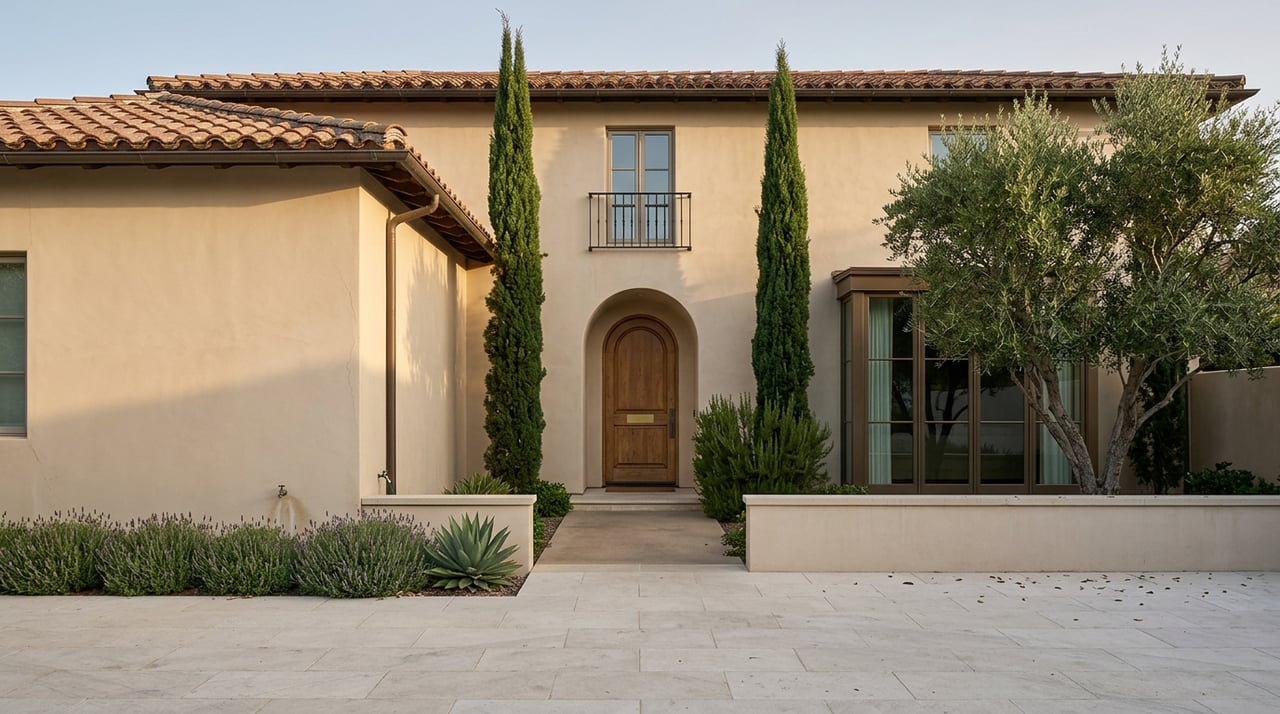
Calabasas offers more variety in housing stock than some buyers expect. Depending on your price point and subarea, you may come across ranch-style homes, Spanish-influenced homes, cottages, condos, townhomes, and custom properties. The city’s pre-approved ADU plans in Spanish, cottage, and ranch styles also give a useful clue about the design language that shows up in the area.
That variety can be a plus if you are still deciding what kind of lifestyle you want. Some buyers prioritize lower-maintenance living near retail and services, while others are focused on larger lots, more separation from neighbors, or homes with room to adapt over time. In Calabasas, those options can exist within the same city, but they do not all live the same way.
Hidden Hills Is a Different Category
If your search expands beyond Calabasas, Hidden Hills deserves its own category. It is not just a pricier version of the same move. It is a much more private, enclave-style community centered on open space, equestrian use, and a rural residential atmosphere.
According to the official Hidden Hills community site, the community includes 658 home sites, three gatehouses, and 25 miles of bridle trails, with no sidewalks or streetlights. The City of Hidden Hills also describes the area as a rural, country environment defined by large lots, individual estates, and equine amenities.
Pricing reflects that difference. In February 2026, Redfin reported a median sale price of $5.2 million in Hidden Hills, and homes took 193 days to sell. The city’s housing element adds more context, noting a 2023 improved-property sales range of $3.39 million to $39.95 million and an average sale price of about $8.3 million. For most Culver City buyers, Hidden Hills is not a casual next step. It is an ultra-luxury micro-market with its own expectations, rules, and buying process.
Due Diligence Matters More Here
Moving west and north within Los Angeles County can bring a different set of property questions. In both Calabasas and Hidden Hills, Redfin rates wildfire risk as severe. Flood exposure also differs, with moderate flood risk noted in Calabasas and major flood risk in Hidden Hills.
Those factors do not automatically make a property the wrong fit, but they do mean you should review disclosures, insurance considerations, and property-specific conditions carefully. In Hidden Hills, there is another practical layer: the community’s Architectural Committee reviews most exterior changes. If you are used to a more urban housing environment in Culver City, that can be a major adjustment.
How to Preview the Move
If you are serious about relocating, a thoughtful preview day can tell you more than hours of online browsing. The most useful sequence is simple and practical:
- Drive from Culver City to Calabasas at your actual commute time.
- Walk Old Town Calabasas to get a feel for the historic core.
- Spend time around The Commons to understand one of the city’s key daily-use destinations.
- Test local circulation by car and, if relevant, review the Calabasas Flyer and Line 1 shuttle options.
- If Hidden Hills is on your shortlist, confirm access details and tour with community rules in mind.
That process helps you compare real lifestyle patterns, not just square footage and list prices. For many Culver City buyers, the deciding factor is not whether Calabasas is better or worse. It is whether it fits the way you want to live next.
The Real Tradeoff to Understand
At its core, the move from Culver City to Calabasas is usually a trade between urban convenience and residential space. In Culver City, you may have easier access to transit, a denser street grid, and a more compact daily routine. In Calabasas, you may gain more space, a foothill setting, access to local parks and trails, and a quieter residential feel, but you will likely rely more on your car.
If Hidden Hills enters the conversation, the tradeoff becomes even more pronounced. You are no longer comparing two versions of suburban life. You are comparing a highly private, gated, regulation-heavy, estate-oriented environment with a very different visual and social rhythm.
The right move depends on what you want your next chapter to look like. If you want help comparing specific pockets of Calabasas or understanding whether Hidden Hills belongs on your shortlist, Michael Bloom offers discreet, local guidance rooted in deep West Valley knowledge.
FAQs
What is the main lifestyle difference between Culver City and Calabasas?
- Culver City offers a more compact, transit-served, urban baseline, while Calabasas is generally more residential, more car-oriented, and often chosen for space, privacy, and a quieter foothill setting.
How do home prices in Calabasas compare with Culver City?
- In February 2026, Redfin reported a median sale price of $1.39 million in Culver City and $1.59 million in Calabasas, making Calabasas a higher-priced move for many buyers.
Is Calabasas walkable for buyers moving from Culver City?
- Calabasas has some destination-based walkable areas, including Old Town and The Commons, but overall it is far more car-dependent, with a Redfin Walk Score of 23.
Should Culver City buyers also consider Hidden Hills?
- Hidden Hills can make sense if you are specifically looking for privacy, large lots, and an estate-style setting, but it operates as a distinct ultra-luxury market with gate access, extensive rules, and much higher pricing.
What should buyers preview before moving from Culver City to Calabasas?
- You should test the commute at your real departure time, explore Old Town and The Commons, review local transit options for errands, and evaluate how the area’s car-oriented layout fits your daily routine.