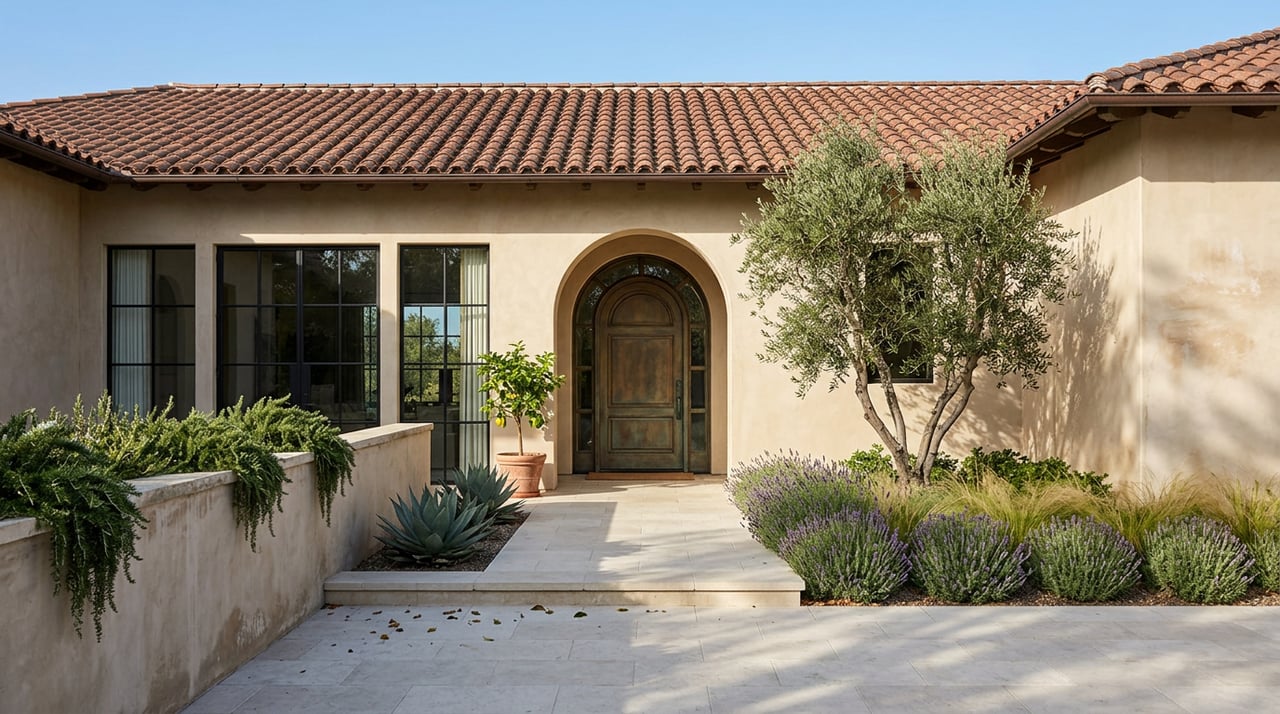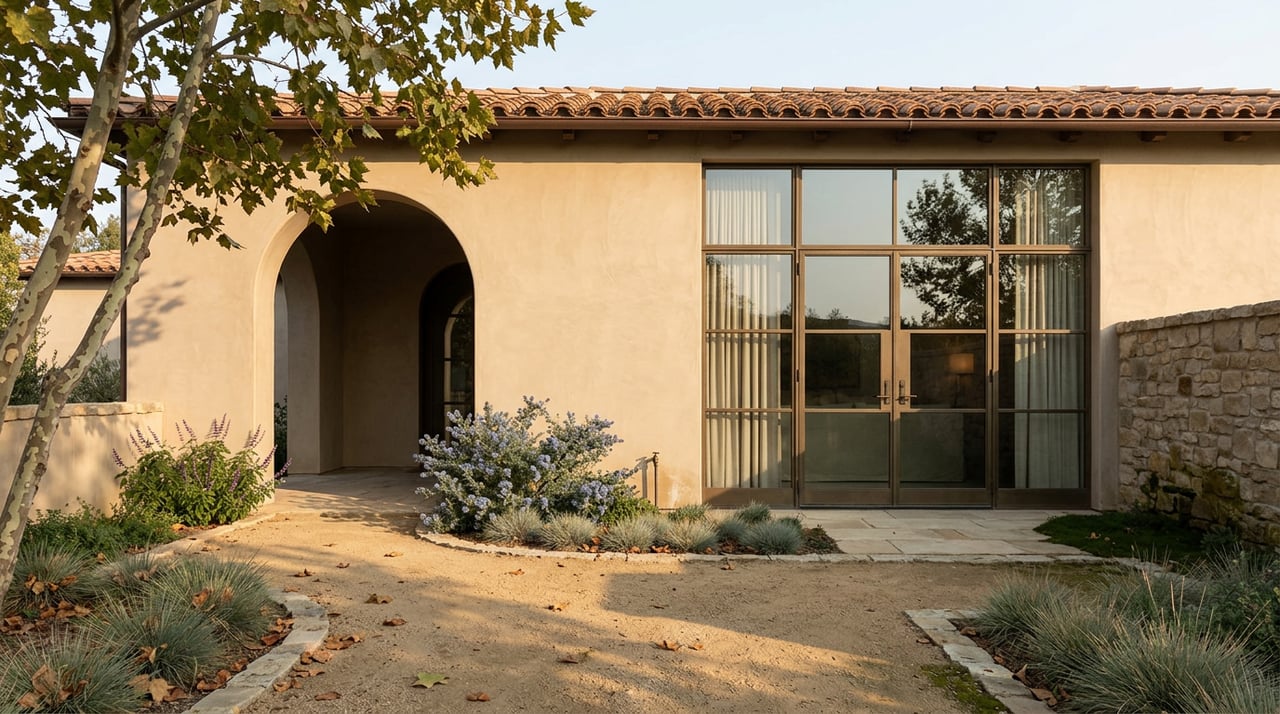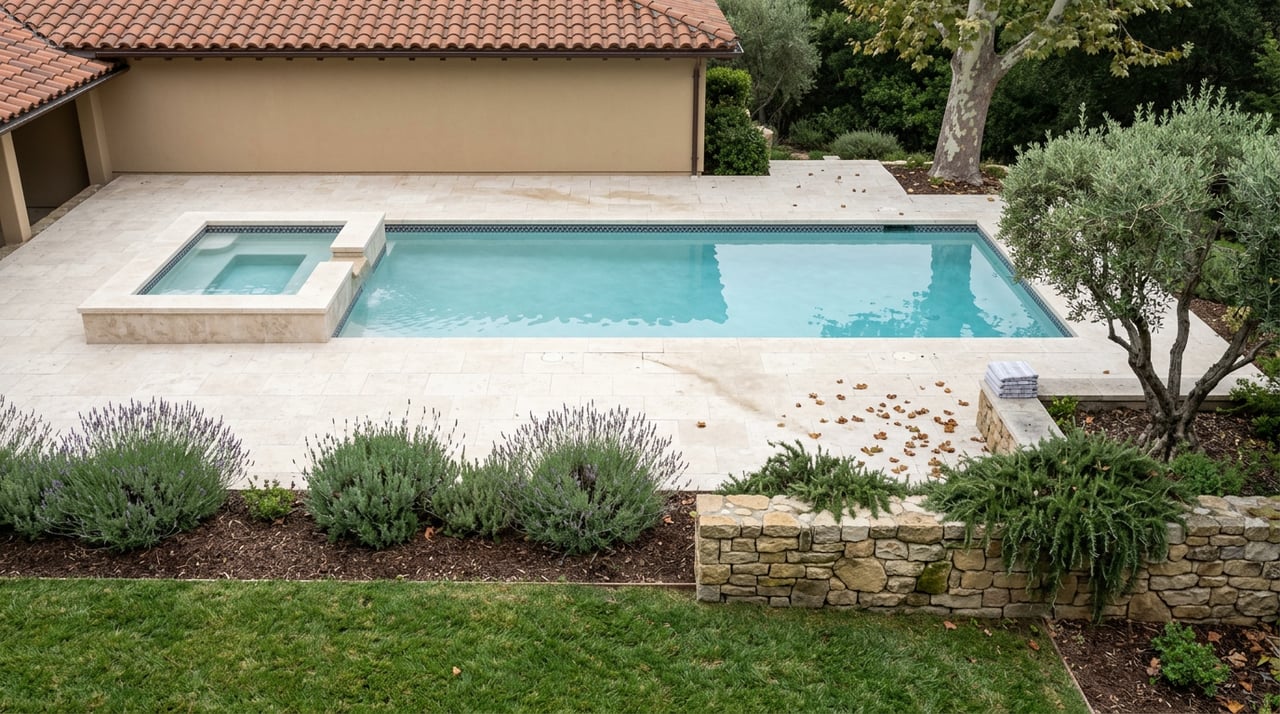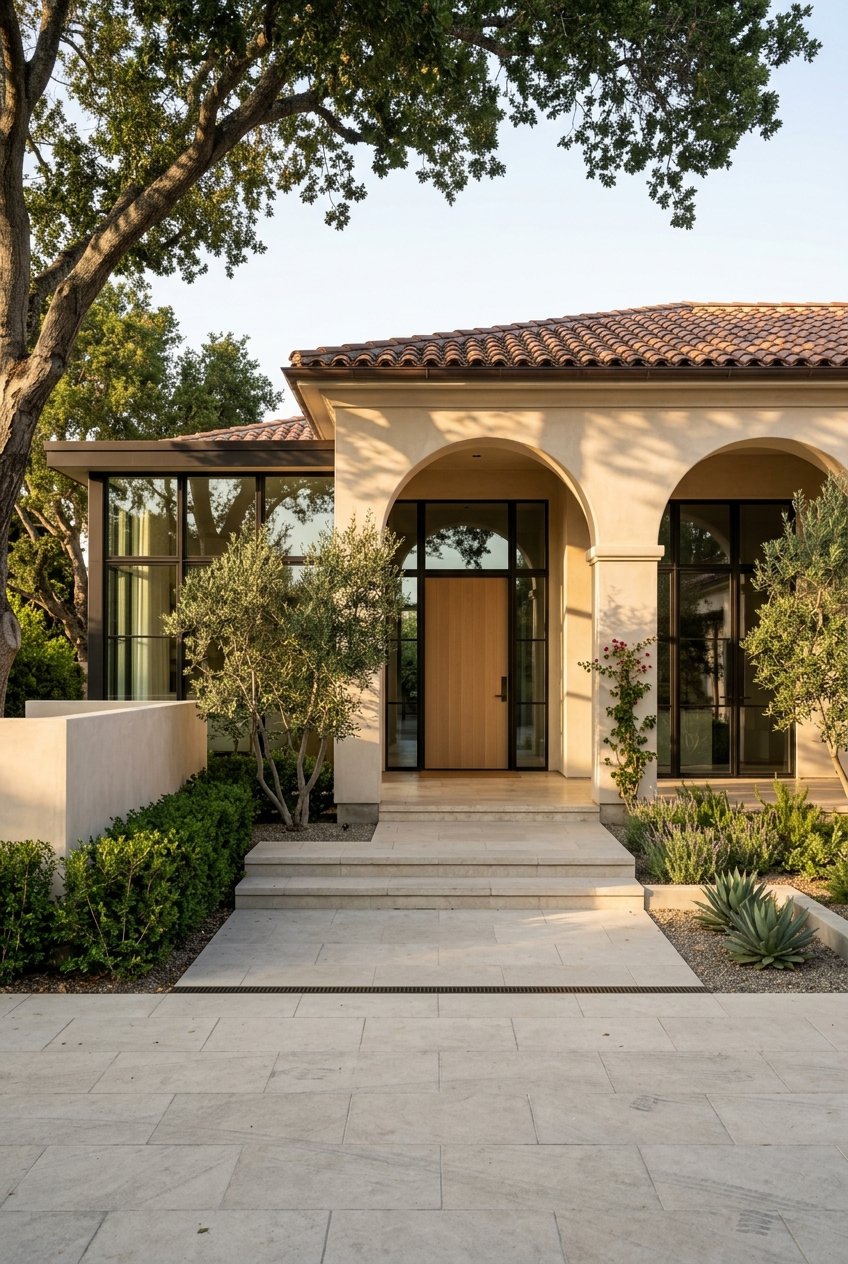
If you are thinking about selling in Hidden Hills, the biggest mistake is waiting until you are “almost ready” to start planning. In a small, high-value market, timing affects everything from pricing and prep to showings and closing. A smart listing timeline can help you avoid rushed decisions, protect your first impression, and position your estate more effectively. Let’s dive in.
Why Hidden Hills needs more lead time
Hidden Hills is not a typical Los Angeles listing environment. The city describes the community as a small, gate-controlled, horse-friendly setting with about 1,725 residents and roughly 648 home sites, with both the City of Hidden Hills and the Hidden Hills Community Association involved in community standards and logistics.
That matters because selling here often requires more coordination than in a standard neighborhood. Gate access, exterior presentation, landscaping, and any changes tied to architectural standards can all affect how smoothly your listing comes together.
The market pace also supports a longer runway. Redfin reported a March 2026 median sale price of $6.2 million in Hidden Hills, along with a median 193 days on market. In the same period, Redfin showed average days on market of 45 in Los Angeles County and 50 in the City of Los Angeles.
That does not mean every Hidden Hills home will take that long to sell. It does mean broad countywide averages are not very useful when you are planning for a private estate in a much smaller market. In Hidden Hills, a few sales can shift averages quickly, so your timeline should be built around current local comps and your property’s specific condition and presentation.
Start planning 6 to 18 months out
If your timing is flexible, the strongest strategy often begins well before your target list date. This early phase is where you make the high-level decisions that can save time later.
Set pricing and prep strategy early
Your first step should be a full pre-list consultation focused on likely repairs, staging needs, pricing range, and the overall scope of work. In a market where each listing is highly individual, this early review helps you decide what is worth doing now and what may not add meaningful value.
This is also the stage to consider whether a pre-listing inspection or appraisal makes sense. Redfin notes that a pre-listing inspection can uncover issues before the buyer’s inspection, while a pre-listing appraisal can help you avoid pricing too high or too low. In a slower-moving estate market, avoiding preventable surprises can protect both your timeline and your negotiating position.
Gather disclosures sooner than you think
California sellers should not leave disclosures to the last minute. The California Department of Real Estate notes that the Transfer Disclosure Statement covers the physical condition of the property and potential hazards or defects, and California law also requires a Natural Hazard Disclosure Statement in qualifying residential sales.
For Hidden Hills sellers, early disclosure prep is especially helpful. Large homes, long ownership periods, and layered property features can take time to document clearly. Starting early gives you room to organize information thoughtfully instead of rushing during launch week.
Build in wildfire and insurance readiness
Hidden Hills has announced that it is a Firewise community. The California Department of Insurance says wildfire mitigation and community programs such as Firewise are part of the Safer from Wildfires framework that can matter for insurance availability and incentives.
That makes wildfire readiness a practical pre-listing step. Defensible-space cleanup, home-hardening review, and updated insurance files can all support a cleaner listing process. Even if buyers will do their own diligence, being organized on these items can reduce friction later.
Plan for community coordination
Because HHCA oversees gate access and architectural standards, some parts of listing prep may require more lead time. Exterior improvements, landscaping projects, vendor access, and showing logistics can all be more involved than they would be elsewhere.
This is one of the clearest reasons Hidden Hills sellers benefit from starting months ahead. The goal is not just to get to market. The goal is to get to market in a way that feels polished, calm, and well managed from day one.
Focus on the 8 to 12 weeks before launch
Once your larger strategy is in place, the final two to three months before listing become the execution window. This is when presentation, media, and timing all need to come together.
Stage before photography
Staging should happen before the camera ever comes out. The National Association of Realtors defines staging as cleaning, decluttering, repairing, depersonalizing, and updating a home so buyers can imagine themselves living there. NAR also reports that 83% of buyers’ agents say staging helps buyers better visualize a property as a future home.
In Hidden Hills, that process often includes more than furniture placement. Deep cleaning, editing oversized rooms, refining outdoor living areas, and addressing deferred maintenance all shape the way your home will read in person and in photography.
Finish prep before spring momentum
Redfin’s 2026 seasonality analysis found that the national best time to list is late April, while California and West Coast markets often peak earlier, with March frequently stronger for sellers. The practical takeaway is simple: if your schedule allows, complete the heavy lifting before spring demand starts to build.
That way, you are not trying to stage, photograph, and coordinate final repairs while the market is already moving. A smoother prep window usually leads to a more confident launch.
Treat the first impression as critical
Zillow reported 15 homes for sale in Hidden Hills as of April 30, 2026. That points to limited inventory, but it also reflects a thin buyer pool compared with broader Los Angeles.
In a market like this, the first weeks on market matter a great deal. Pricing, photography, showing quality, and overall presentation often shape buyer perception early. If the first impression misses the mark, it can take much longer to regain momentum.
Coordinate showings carefully
Private showings and open houses may require more advance planning in Hidden Hills because of gate rules and community logistics. The National Association of Realtors recommends that homes be clean, uncluttered, and move-in ready before each showing, with surfaces cleared and the property presented as well maintained.
For estate sellers, that standard often calls for a more detailed routine. Staff coordination, pets, vehicles, access timing, and outdoor presentation can all affect how easily buyers experience the property. The more organized your showing plan is, the more seamless the campaign will feel.
What happens after you accept an offer
Many sellers focus heavily on getting to market and less on what happens next. But the period between acceptance and closing also needs realistic planning.
Expect escrow to take several weeks
The California Department of Real Estate explains that escrow typically begins once buyer and seller agree on sale terms and ends when the purchase is complete. In financed transactions, the Consumer Financial Protection Bureau says the loan closing and home purchase closing typically happen at the same time, and the Closing Disclosure must be delivered at least three business days before closing.
As a practical estimate, a financed Hidden Hills sale often takes roughly 30 to 60 days from acceptance to close. That is not a fixed legal rule, but it is a useful planning range when you are coordinating your next move.
Financing and appraisal can affect timing
The CFPB also notes that mortgage rate locks are commonly offered for 30, 45, or 60 days. That gives sellers a helpful benchmark for understanding the financing timeline on the buyer side.
Closing can still stretch if the inspection or appraisal raises major issues. The CFPB notes that major repair findings can complicate the process, and lenders may require repairs before closing. This is another reason pre-list prep matters so much in the Hidden Hills estate market.
A practical Hidden Hills timeline
If you want a simple framework, think about your listing in three phases:
- 6 to 18 months before listing: pricing strategy, repair planning, disclosures, wildfire readiness, insurance review, and community coordination
- 8 to 12 weeks before listing: staging, cleaning, landscaping, photography, and final launch timing
- 30 to 60 days after acceptance: escrow, inspections, appraisal, lender review, and closing preparation
That kind of timeline gives you room to make better decisions. It also helps reduce the pressure that can lead to overpricing, incomplete prep, or delayed negotiations.
Why a tailored timeline matters
In Hidden Hills, there is no one-size-fits-all listing calendar. A newer move-in-ready property may need a very different strategy than a long-held estate with deferred maintenance, extensive grounds, or layered disclosure history.
What stays consistent is the need for planning. In a market that is small, expensive, and often slower-moving than the broader Los Angeles area, sellers usually benefit from starting earlier, preparing more thoroughly, and launching with intention.
If you are considering a sale in Hidden Hills, a thoughtful timeline can help you protect value and reduce avoidable stress. For discreet, local guidance on timing, presentation, and next steps, connect with Michael Bloom for a confidential consultation.
FAQs
How far in advance should you prepare to sell a Hidden Hills estate?
- A realistic timeline often starts 6 to 18 months before listing, especially if your property may need repairs, disclosure work, landscaping, or community coordination.
Why does a Hidden Hills home sale usually need more planning time?
- Hidden Hills is a small, gate-controlled market with community logistics, architectural standards, and a slower average pace than broader Los Angeles market averages.
What seller documents should you gather early for a Hidden Hills listing?
- California sellers should plan early for the Transfer Disclosure Statement and the Natural Hazard Disclosure Statement, along with property records and any other relevant home-condition information.
When is the best season to list a Hidden Hills home?
- If your timing is flexible, finishing prep before spring can be helpful because California and West Coast markets often show stronger seller momentum earlier in the spring season.
How long does closing take after accepting an offer in Hidden Hills?
- In a financed sale, a practical estimate is often about 30 to 60 days from acceptance to closing, depending on inspections, appraisal, lender review, and escrow timing.