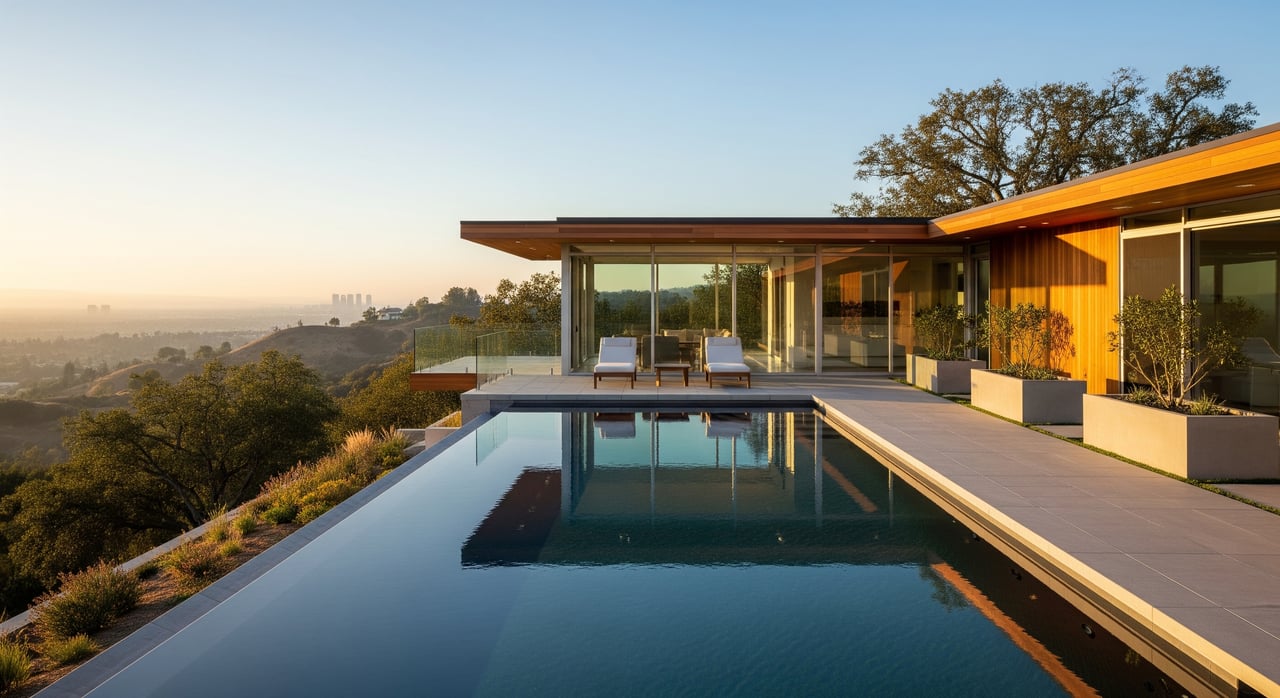
Is the West Valley luxury market moving in sync with the rest of Los Angeles, or on its own clock? If you are watching West Hills and the surrounding West Valley, you have likely noticed that high-end homes behave differently across seasons and price bands. You want clear context that translates into smarter timing and better decisions. In this guide, you will learn how inventory, days on market, and macro trends show up locally in West Hills, plus how to read the signals without getting lost in the noise. Let’s dive in.
What counts as luxury here
Luxury is best defined locally. A practical approach is to look at the top 5 to 10 percent of recent sales or use price bands such as $1 to 2 million, $2 to 5 million, and $5 million and higher. In much of the San Fernando Valley, this often starts around $1 million, but it shifts with market cycles.
In West Hills, the luxury mix is primarily single-family homes on larger lots, including hillside properties with views. You will see some gated and custom homes, but very few high-rise condos in this segment. Most supply comes from resale and renovations rather than new luxury construction inside West Hills proper.
Because buyers often cross-shop nearby enclaves, West Hills often serves as a price-accessible gateway to Woodland Hills, Calabasas, and Hidden Hills. You can find larger lots and privacy at a lower price per square foot than the ultra-premium gated estates nearby.
Inventory and the metrics that matter
Tracking inventory by price band gives you the clearest read on leverage. In the luxury tiers, months of inventory, new listings, and pendings tell you how fast the market is absorbing higher-priced homes.
Key metrics to watch:
- Active and new listings in the $1 million plus and $2 million plus tiers
- Months of inventory by price band
- Median days on market and sale-to-list ratio for luxury listings
- Price per square foot, segmented by lot type and micro-neighborhood
Luxury data sets are small, which makes medians volatile. Use rolling three to six month figures to smooth out noise and focus on durable trends.
Days on market and pricing patterns
Luxury homes generally stay on the market longer than the broader West Valley because the buyer pool is smaller and more selective. That said, well-priced, move-in-ready homes with standout features like views or exceptional outdoor space can still sell quickly, especially in peak season.
Sale-to-list price spreads are wider at the high end. In a cooler window, buyers may secure price adjustments or concessions. In competitive periods, top listings can achieve near list price or better. Appraisal gaps may appear when prices move faster than comparable sales, which is common in higher tiers that rely on jumbo financing.
Seasonal timing in the West Valley
Listing activity and buyer demand for luxury homes tend to concentrate in late winter through spring, with the most active window often running from February to May. Momentum can carry into early summer, while late summer is mixed and fall to winter is typically slower.
What this means for you:
- Sellers: Late winter and spring often create the best backdrop for buyer competition and stronger sale-to-list outcomes. Exceptional properties can perform off-season with the right pricing and presentation.
- Buyers: You may see more room to negotiate in late summer, fall, and winter, though inventory is usually lower. In spring, be prepared to move quickly when the right home appears.
West Hills vs nearby enclaves
Location shapes pricing and pace. West Hills sits at the western end of the San Fernando Valley, adjacent to Woodland Hills and near Calabasas and Hidden Hills via Valley surface streets and the 101 corridor. Many buyers compare options across these neighborhoods before deciding.
- Price gradient: Expect pricing to step up as you move from West Hills to Woodland Hills, then to Calabasas and Hidden Hills, where inventory is scarcer and prices are higher.
- Why West Hills stands out: Larger lots and outdoor living at a more approachable price point, with the benefit of nearby open space and hillside views. For many, it balances privacy and value while remaining close to Valley-based employment centers.
Macro drivers shaping luxury demand
The luxury segment is especially sensitive to bigger economic currents. These forces influence how quickly high-end homes turn and how buyers structure offers.
- Mortgage rates and jumbo loans: Rate moves can materially change monthly payments on large loans, affecting both timing and price bands.
- Equity markets and wealth effects: Stock market swings and income from entertainment, tech, and professional services can shift buying power.
- Employment and work patterns: Changes in local employment and the mix of remote or hybrid work influence space needs, especially for home offices and outdoor areas.
- Capital flows and migration: Domestic and international flows can push demand up or down in higher tiers, with patterns that can be uneven over time.
- Policy and taxes: State and local tax considerations can factor into decisions in the upper price ranges.
Local factors that move the needle
Local conditions often explain why two seemingly similar homes have different outcomes. In West Hills and the surrounding West Valley, these factors matter:
- Supply constraints: Zoning, lot size scarcity, and limited large flat lots curb new luxury construction.
- Permitting and construction: Hillside work, foundation and retaining walls, and seismic retrofits add cost and time to major improvements.
- Insurance and risk: Wildfire exposure in hills and canyons and earthquake risk can affect insurance availability and premiums, which in turn influence carrying costs and buyer demand.
- Neighborhood context: School district boundaries, private school options, and community amenities can shape buyer preferences. Treat these as neutral features and match them to your lifestyle needs.
- HOA and gated dynamics: Nearby gated communities, more common in Calabasas and Hidden Hills, behave differently than non-HOA single-family areas. Supply is tighter and pricing patterns can diverge.
What this means for sellers
If you plan to list a luxury home in West Hills, take a data-first approach and align your timing with buyer patterns.
- Calibrate the price band: Define your target tier clearly and review rolling three to six month medians to set expectations.
- Time your listing: Late winter to spring typically captures the largest buyer pool. Off-season launches can work for turnkey or unique properties with disciplined pricing and standout presentation.
- Present for the tier: Luxury listings benefit from thoughtful preparation. Prioritize curb appeal, outdoor living, and any view or privacy features. Document upgrades and permits to support appraisal and buyer confidence.
- Expect selective buyers: Prepare for longer days on market than the broader area and plan a strategy for adjustments if early feedback points to a pricing mismatch.
What this means for buyers
Approach the luxury segment with a clear plan and flexible expectations across neighborhoods and seasons.
- Get pre-approved with the right loan: If you need a jumbo mortgage, lock in your financing plan early and understand how rate moves affect your monthly budget.
- Cross-shop smartly: Compare West Hills with Woodland Hills, Calabasas, and Hidden Hills to weigh lot size, privacy, commute needs, and price per square foot.
- Use the seasonal cycle: If you want more negotiation leverage, explore late summer through winter. If you want more choices, spring usually brings a wider selection.
- Do focused due diligence: For hillside or view properties, prioritize inspections, permits, and any seismic or retaining wall considerations. Price these into your offer.
Quick checklists
Seller essentials
- Define the luxury tier for your home and review rolling three to six month trends
- Prepare a permit and improvement binder to support valuation and appraisal
- Invest in presentation: exterior, landscaping, outdoor living, lighting, and professional photography
- Plan timing around late winter to spring unless your property is uniquely positioned for an off-season launch
- Monitor months of inventory and adjust if early activity falls below expectations
Buyer essentials
- Confirm jumbo financing or proof of funds before touring high-end listings
- Track active, new, and pending luxury listings by price band to spot momentum shifts
- Compare West Hills with nearby enclaves for value and lot size trade-offs
- Price in insurance realities, especially for hillside or canyon properties
- Use rolling medians and price per square foot by micro-area to avoid overpaying
Where to get current numbers
Luxury data moves quickly and sample sizes can be small. For the most current picture of West Hills and the West Valley, review local MLS figures, including active and pending listings, months of inventory by price band, and rolling median days on market. County and metro-level reports from trusted sources like the California Association of Realtors, Redfin, Zillow Research, CoreLogic, and the Los Angeles Times provide broader context. A local agent with access to CRMLS can help you interpret micro-neighborhood trends that general reports miss.
The bottom line
In West Hills and the broader West Valley, luxury is a focused segment shaped by seasonality, small sample sizes, and macro forces like rates and stock market performance. Inventory by price band, months of supply, and rolling days on market will tell you when leverage is shifting. Whether you are preparing to list or planning a purchase, align your strategy with these signals and the local nuances that matter on the ground.
If you want a private, data-driven conversation tailored to your property or search, schedule a Confidential Consultation with Michael Bloom.
FAQs
What price defines luxury in West Hills?
- Luxury is often the top 5 to 10 percent of local sales or set by price bands like $1 to 2 million and higher tiers. Calibrate with current MLS data and state your threshold.
How long do West Hills luxury homes take to sell?
- Luxury listings usually take longer than the overall market due to a smaller buyer pool, but well-priced, turnkey homes with standout features can sell quickly in peak season.
Is it a buyer’s or seller’s market for West Valley luxury homes?
- It depends on months of inventory in the luxury tiers. Higher inventory favors buyers, while lower inventory concentrates leverage with sellers.
How do mortgage rates affect luxury purchases in West Hills?
- Many high-end transactions use jumbo loans, so rate moves can significantly change monthly payments and timing, affecting demand in the upper price bands.
When is the best time to list a luxury home in West Hills?
- Late winter through spring typically sees the most buyer activity and competition. Off-season launches can work for exceptional or newly renovated homes with the right strategy.
How does proximity to Calabasas and Hidden Hills impact pricing?
- Buyers often cross-shop these enclaves. West Hills offers larger lots and outdoor space at a lower price per square foot, while ultra-premium gated areas hold higher price points with tighter supply.