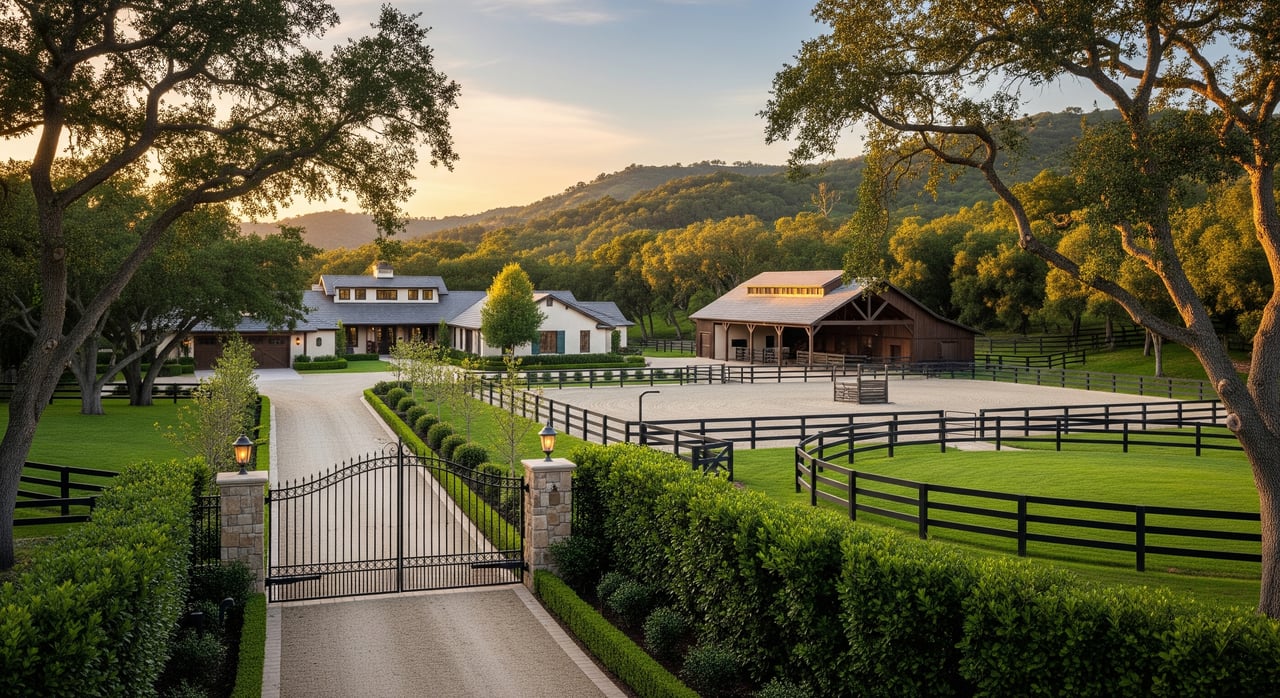
Curious what it actually feels like to live behind the gates in Hidden Hills? If you picture morning trail rides, quiet private roads, and a home that functions like a small ranch, you’re on the right track. In this guide, you’ll get a clear view of daily rhythms, home and lot features, rules to know, and practical costs so you can decide if this lifestyle fits you. Let’s dive in.
Equestrian life, every day
Hidden Hills is an equestrian-oriented, guard-gated community where horses are part of everyday life. You see riders using the private bridle paths in the morning and late afternoon, while neighbors walk dogs, push strollers, and jog along the quieter streets. Many properties include barns, corrals, or arenas, so horse care and barn chores become a natural part of the day.
Inside the neighborhood, horseback riding can be both recreation and a practical way to move around. The private riding lanes and trail network make it simple to saddle up and go, whether you prefer a leisurely hack or a focused training ride.
Homes and lots, ranch-ready
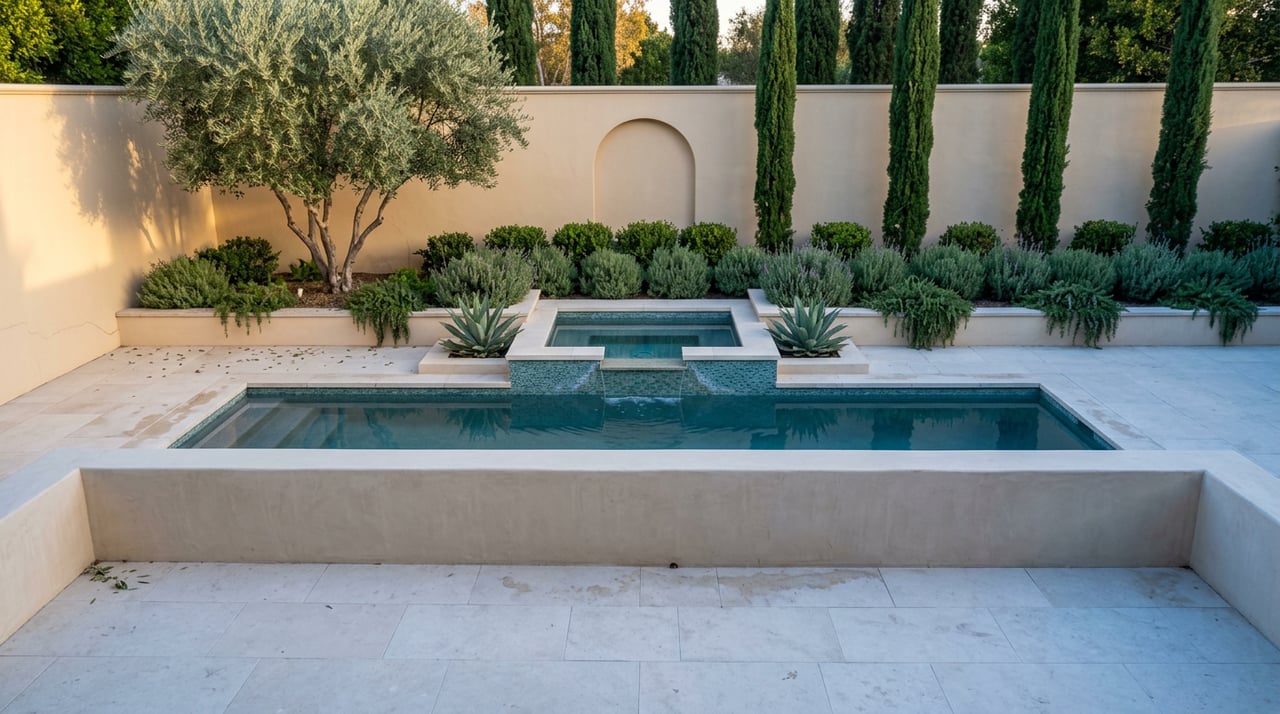
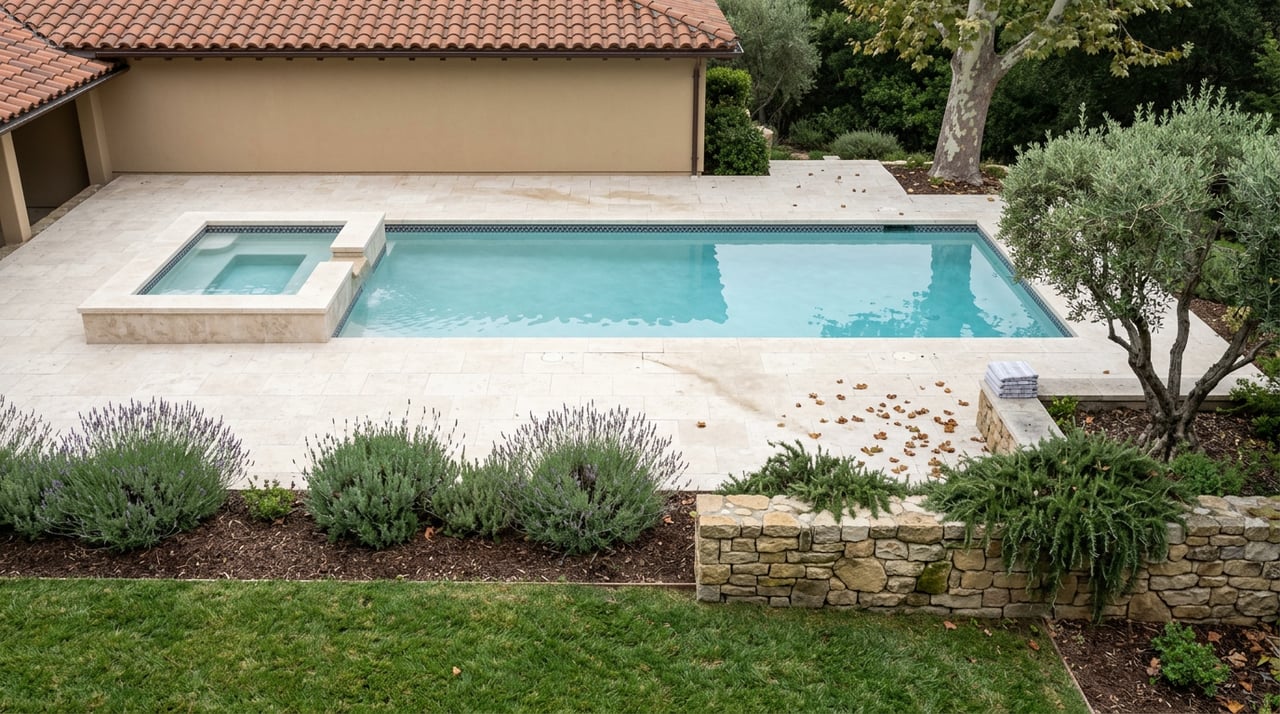
Lots in Hidden Hills are larger than what you see in most Los Angeles suburbs. Many parcels are about an acre or more, and some span several acres. Backyards often function as private ranch spaces with room for barns, arenas, guest houses, pools, and generous landscaping.
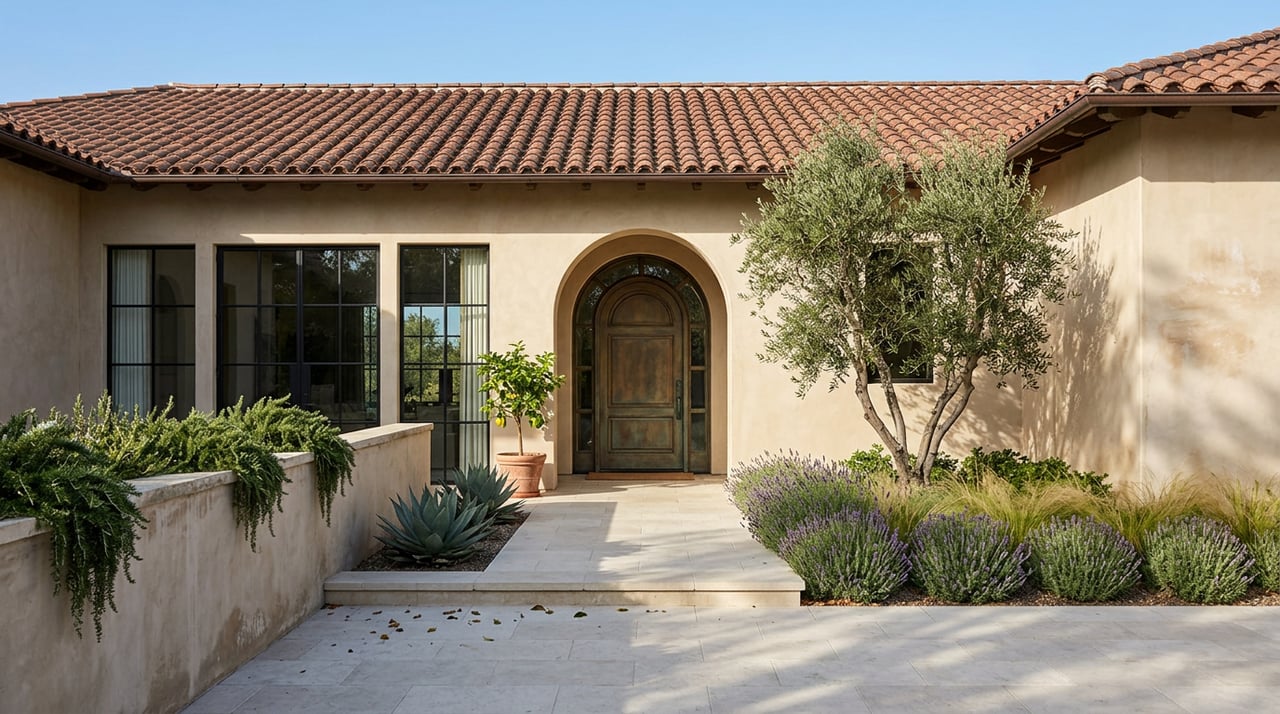
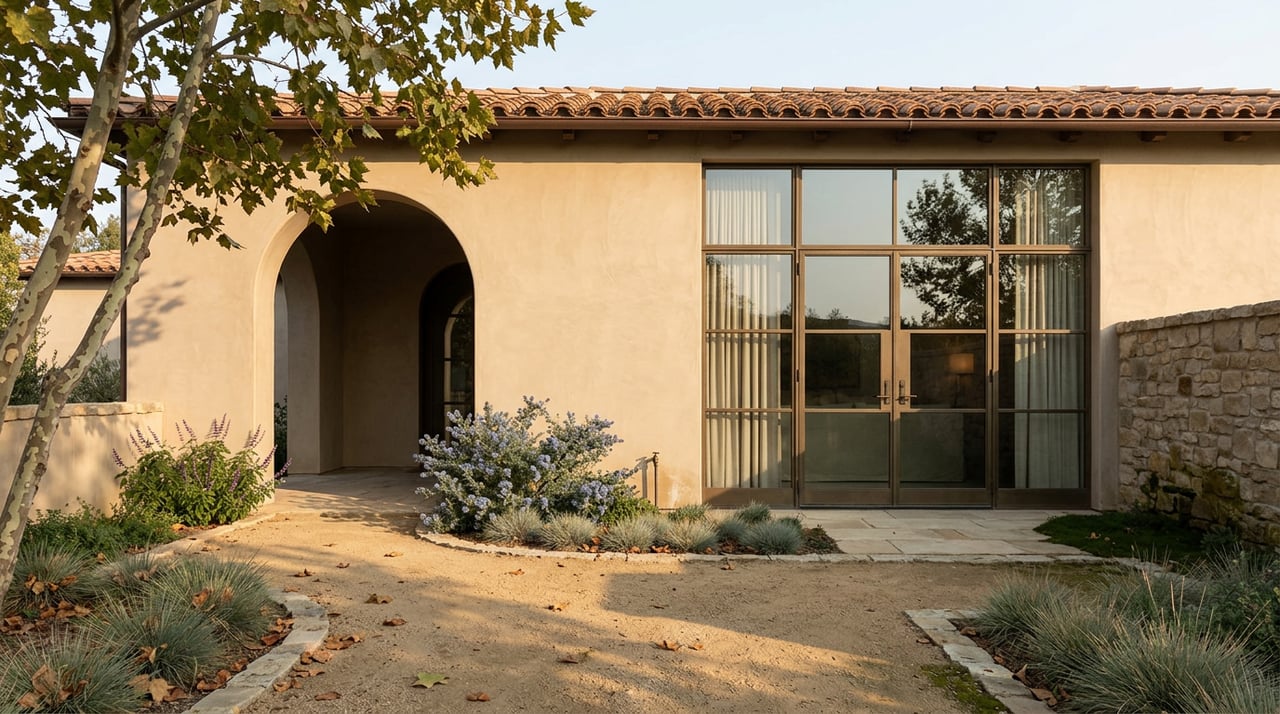
You’ll find a mix of home styles: classic single-story ranch homes, modern or contemporary estates, Spanish or Mediterranean influences, and fully custom equestrian properties. Many homes have been extensively renovated or rebuilt to fit a specific lifestyle, which helps explain why owners often plan for long-term living.
Trails and on-lot facilities
The private bridle-trail system is a core asset. Many homes enjoy direct access to the internal trails, so you can ride from your property without trailering out. On-lot features commonly include 2 to 8 stalls, sand-footing arenas, tack rooms, turnout paddocks, and wash racks or hot-walkers.
If you like to explore beyond the gates, nearby regional open space in the Calabasas and West Valley foothills offers additional riding and hiking. Popular destinations include Upper Las Virgenes Canyon Open Space Preserve and other preserves in the Santa Monica Mountains foothills.
Privacy and life behind the gates
Guarded entries, private roads, and gated driveways at the parcel level deliver a high degree of privacy. This setup contributes to a strong sense of seclusion and a perception of safety compared to surrounding areas. Many residents prioritize privacy, acreage, and equestrian capacity, and the community’s character reflects those values.
Expect a small-community feel with periodic events, from holiday celebrations to neighborhood-led gatherings. Daily errands and dining usually happen in nearby Calabasas and the West Valley, where you’ll find farmers markets, shops, and restaurants.
HOA, CC&Rs, and approvals
Hidden Hills has active property-owner governance that sets and enforces CC&Rs. If you plan exterior changes, new construction, or equestrian additions, you should expect architectural review. It is smart to review dues, any special assessments for private road and gate staffing, and design review timelines early in your process.
Short-term rentals may be restricted by HOA covenants or local ordinances. Confirm the current rules before you assume rental income is possible.
Zoning, permits, and horsekeeping rules
Many properties are zoned or permitted for horsekeeping, though rules vary by lot. You’ll want to confirm allowed animal counts, stall dimensions, setbacks, and manure management requirements. If you intend to add stalls or build an arena, plan for permits and possible neighbor or right-of-way constraints.
Trail easements are common. Some are protected by recorded easements and others are managed by the HOA, so any changes that affect trail access will typically require approval.
Utilities, streets, and services
Streets are community-maintained and lined with mature landscaping. Many driveways are gated, adding an extra layer of privacy on top of the main gate. Utility setups can vary by parcel. Larger lots often rely on private or advanced septic systems, so you should verify septic permits and capacity, as well as water and power, during escrow.
Emergency and hospital services are provided by regional centers in the West Valley and nearby communities. If you have horses, you may also want to understand response logistics for horse transport and large-vehicle access.
Schools, shopping, and commute
Hidden Hills is typically served by Las Virgenes Unified School District. There are also several private school options in the Calabasas and West Valley area, including Viewpoint School. Always confirm current school boundaries directly with the district.
Most daily shopping and dining happen outside the gates in Calabasas, West Hills, and the broader West Valley. The area is car-dependent, and commute times to major job centers vary with Los Angeles traffic. Public transit is limited, so most residents rely on private vehicles.
Insurance and ongoing costs
If you keep horses, plan for equestrian-specific insurance. Standard homeowner policies are not designed for barns, equine activities, or specialized equipment. Many owners secure separate equine liability coverage and property insurance tailored to barns or arenas.
Beyond insurance, larger lots bring recurring maintenance: arena footing, fencing, landscaping and irrigation, stall cleaning, and barn upkeep. HOA dues or special assessments may cover private road and gate operations. If you plan to hire staff, factor that into your operating costs.
Is Hidden Hills the right fit?
Ask yourself these questions to gauge alignment with your lifestyle:
- Do you plan to keep horses or live near active barns and livestock?
- Is a guard-gated setting with private roads a priority for you?
- Are you comfortable leaving the gates for most shopping, school, and work needs?
- Do you want an acre or more with room for custom buildings like barns and arenas?
- How do you plan to balance private HOA-managed trails with nearby public open space?
Buyer checklist to start strong
- Confirm CC&Rs, HOA rules, dues, and any pending assessments.
- Obtain a current survey and review all easements, including trails and utilities.
- Verify zoning and permitting for barns, arenas, septic, and accessory units.
- Request recent utility data and septic inspection reports; confirm water and power capacity.
- Review gate staffing plans and guest-access protocols.
- Ask for a list of nearby schools, emergency services, and estimated commute times.
- Get insurance quotes specific to equestrian properties and activities.
What sellers should prepare
- A clear summary of horse facilities: stall count, arena size and footing, manure protocols, and turnout areas.
- Documentation for renovations, permits, architectural approvals, and maintenance.
- HOA history, including dues, reserves, special assessments, and trail maintenance responsibilities.
- Utility and septic permits, inspection reports, and capacity details.
How local guidance makes a difference
Buying or selling in Hidden Hills is not just about price. It is about understanding CC&Rs, trail easements, septic capacity, and how equestrian infrastructure actually functions day to day. Local knowledge helps you avoid surprises and spot value, whether that is the right barn footprint, a trail-access advantage, or a property that suits long-term plans.
If you are exploring Hidden Hills, you deserve discreet, hyperlocal guidance and a clear plan from search to closing. For a private conversation tailored to your goals, connect with Michael Bloom.
FAQs
What does horseback riding look like inside Hidden Hills?
- Residents commonly ride along the private bridle trails and riding lanes for daily exercise and recreation, often with direct trail access from their properties.
Can I add a barn or arena after I buy in Hidden Hills?
- Many lots allow horsekeeping, but additions usually require permits and HOA architectural approval, plus adherence to setbacks, stall limits, and manure management rules.
Which schools serve Hidden Hills residents?
- Hidden Hills is typically served by Las Virgenes Unified School District, with several nearby private options; always verify current boundaries with the district.
Are short-term rentals allowed in Hidden Hills?
- Many gated communities restrict or prohibit short-term rentals; check the CC&Rs and local ordinances for current rules before making plans.
How far are trail rides beyond the gates?
- Regional open space such as Upper Las Virgenes Canyon Open Space Preserve and other Santa Monica Mountains foothill preserves are nearby and popular for extended rides.
What ongoing costs should I expect with a horse property?
- Plan for equine-specific insurance and regular maintenance of arenas, fencing, landscaping, irrigation, and barns, along with HOA dues or assessments for roads and gates.