Wondering whether to launch your Hidden Hills estate publicly or keep the sale quiet? In a market where privacy matters and buyer pools can be narrow, that choice can shape everything from pricing strategy to timeline. If you are weighing discretion against broad exposure, this guide will help you understand how each path works, what CRMLS rules allow, and how to choose the approach that fits your goals. Let’s dive in.
Hidden Hills Requires a Tailored Strategy
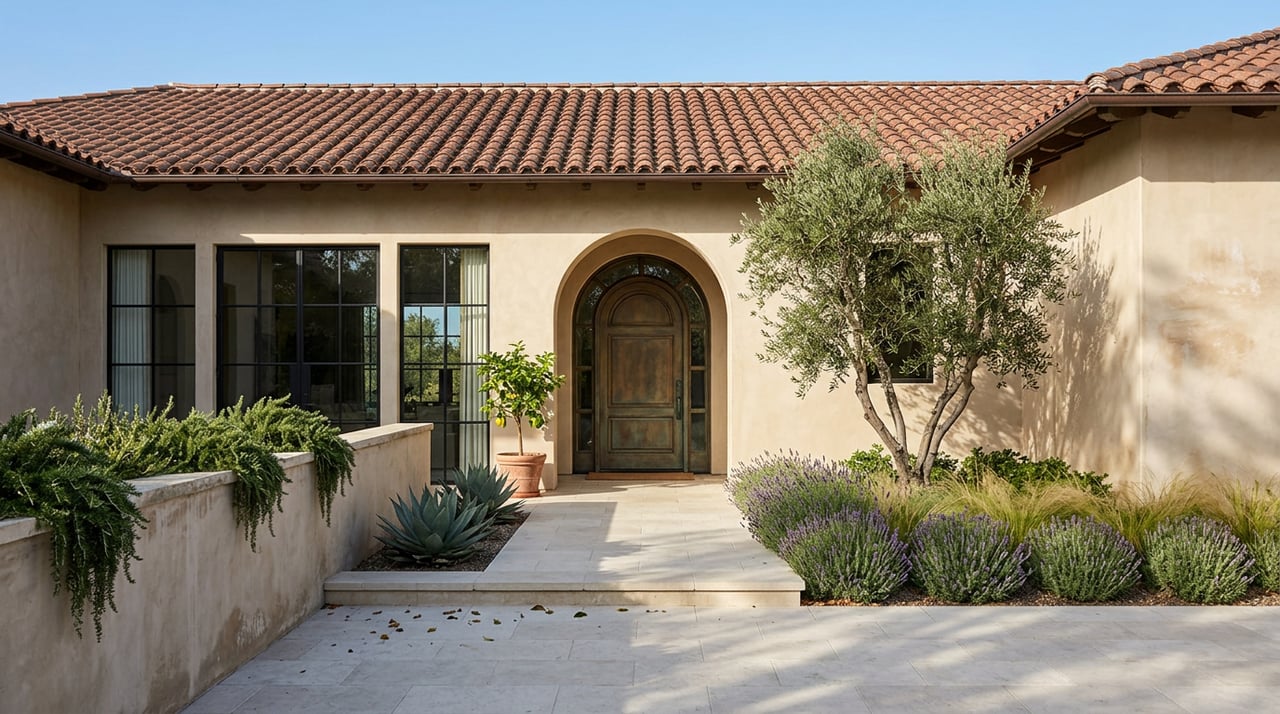
Hidden Hills is not a typical suburban market. According to the City of Hidden Hills housing profile, the community is defined by large estates, equine amenities, and a rural, country-style setting, with average lot sizes of 53,578 square feet. The same report noted an average sales price of about $8.3 million for improved property in November 2023.
Current public-market snapshots also point to a thin, high-value market. Zillow’s Hidden Hills data showed an average home value of $5.06 million and 14 homes for sale as of March 31, 2026, while Realtor.com’s Hidden Hills overview reported 38 homes for sale, a median listing price of $9.07 million, and a median 112 days on market in February 2026.
For you as a seller, that means strategy matters. In a luxury micro-market like Hidden Hills, presentation, privacy, and access to the right buyer pool can matter just as much as the asking price.
What On-Market Means
An on-market sale usually means listing your home in the MLS for broad exposure. According to the National Association of Realtors consumer guide, the MLS helps sellers reach the largest pool of prospective buyers because other agents can see, share, and promote the property, and MLS data can also feed public consumer websites.
That reach is the biggest advantage of an on-market strategy. More visibility can mean more qualified buyers, more agent awareness, and a better chance of strong price discovery.
For a Hidden Hills estate, broad exposure can be especially useful when your goal is to maximize competition. If your property has wide appeal, polished presentation, and a pricing strategy designed to attract attention, the MLS often creates the strongest launch platform.
What A Quiet Sale Means
A quiet sale is different from a public listing. NAR defines an office exclusive exempt listing as one that is not disseminated through the MLS and not publicly marketed, as explained in its multiple listing options policy overview.
In practical terms, a quiet sale gives you more control over who knows your home is available. That can appeal to sellers who want to limit public attention, protect privacy, or share the opportunity only within a more curated network.
CRMLS also makes an important distinction here. Under the CRMLS Clear Cooperation guidance, if your property is kept off the MLS through an office exclusive or exclude-listing process, it cannot be publicly marketed. If public marketing begins, the listing must be entered into the MLS within one business day.
Coming Soon Is Not The Same Thing
Many sellers assume Coming Soon is a private option, but it is not. According to CRMLS rules on Clear Cooperation and Coming Soon, a Coming Soon listing may be publicly marketed, but no showings or open houses may happen until the property goes Active.
CRMLS also states that a Coming Soon listing will automatically update to Active on Day 22 from the listing input date or the Start Showing Date, whichever comes first. So while Coming Soon can create a controlled pre-launch window, it is still part of a public marketing strategy.
If you need time for photography, staging, repairs, or final preparation, Coming Soon can be helpful. If your priority is true discretion, it should not be confused with a genuine off-market or office exclusive approach.
Privacy Versus Exposure
This is the core tradeoff for most Hidden Hills sellers. A quiet sale may feel like the right fit if you value discretion, want to control access, or prefer to avoid broad public attention.
NAR notes in its consumer guide to alternative listing options that some sellers choose limited exposure for privacy or personal reasons. Zillow also recognizes privacy and safety as legitimate reasons to avoid broad public marketing.
The tradeoff is reach. Office exclusive listings are generally visible only to the listing firm’s own clients, while an MLS listing benefits from broader agent-to-agent exposure and public syndication. In a market with fewer buyers at the top end, limiting visibility can reduce the chances of finding the strongest offer quickly.
How Exposure Can Affect Price
If your main goal is maximizing price, broad exposure deserves serious consideration. Zillow’s analysis of off-MLS versus MLS sales found that homes sold off the MLS typically sold for $4,975 less, or 1.5% less, nationwide. In California, the median difference was 3.7%, or $30,075.
That research also found the luxury tier showed a smaller negative effect than lower-priced tiers, but the effect was still negative. For Hidden Hills sellers, that does not mean a quiet sale is wrong. It means you should weigh privacy benefits against the possibility that a narrower buyer pool may affect pricing outcomes.
Because public data also points to longer marketing times in Hidden Hills, reduced exposure may matter more here than it would in a faster-moving market. Realtor.com’s market snapshot suggests a buyer-favorable or balanced feel, which can make wide exposure more valuable when you want strong market feedback.
When On-Market Often Makes Sense
An on-market strategy is often the better fit when your goal is to create the widest possible opportunity for competition. It can also be a smart move when the home shows beautifully, the pricing is aligned with current conditions, and you are ready for a polished public debut.
You may prefer an on-market launch if you want to:
- Reach the largest possible buyer pool
- Encourage competing interest
- Benefit from broad agent awareness
- Use professional presentation to support value
- Reduce the risk of missing a well-qualified buyer outside a private network
For many estate sellers, the MLS is not just a listing tool. It is the clearest path to full market visibility.
When A Quiet Sale May Be Worth It
A quiet sale can make sense when privacy is the top priority. If you want to control access, avoid public attention, or test demand discreetly before deciding on a wider launch, a private strategy may align better with your goals.
You may prefer a quiet sale if you want to:
- Limit public exposure for privacy reasons
- Share the property only with a curated network
- Maintain tighter control over property information
- Explore buyer interest before a broader launch
In Hidden Hills, this approach can be especially relevant for owners who value discretion over maximum visibility. The key is understanding the tradeoff clearly and making that choice with informed consent.
Can You Start Private And Go Public Later?
Yes, many sellers consider a phased strategy. You can begin with a quieter approach and later transition to full MLS exposure if the property does not trade privately or if your priorities shift.
That said, the rules matter. NAR states that exempt listings require seller disclosure acknowledging that the seller is waiving or delaying MLS benefits, and CRMLS rules still apply if any public marketing begins. Once the property is publicly marketed, it generally must be submitted to the MLS within one business day under the NAR Clear Cooperation framework and CRMLS guidance.
A phased plan can work well when it is intentional. The most effective version starts with a clear timeline, clear seller priorities, and a backup plan for broader exposure if needed.
The Right Choice Depends On Your Goal
There is no universal answer for Hidden Hills estates. The best strategy usually depends on four things: your privacy needs, how unique the property is, how much prep time the home needs, and whether you value maximum exposure or controlled access more.
If your top priority is discretion, a quiet sale may be the right path. If your top priority is price discovery and competition, going on-market often offers the strongest advantage.
In a market as specialized as Hidden Hills, the real value is not choosing the trendiest option. It is choosing the strategy that fits your property and your goals from the start. If you want help weighing an on-market launch against a more discreet plan, Michael Bloom can help you map out a confidential, tailored approach for your estate.
FAQs
What does an on-market sale mean for a Hidden Hills estate?
- An on-market sale usually means your property is entered in the MLS so it can be seen and promoted by a broader pool of agents and buyers.
What is a quiet sale in Hidden Hills real estate?
- A quiet sale generally refers to an office exclusive or off-MLS strategy where the property is not publicly marketed and exposure is kept limited.
Is Coming Soon the same as an off-market listing in Hidden Hills?
- No. Under CRMLS rules, Coming Soon is still a public marketing status, even though showings and open houses must wait until the listing becomes Active.
Can a Hidden Hills seller start with a private sale and later list on the MLS?
- Yes. A seller can begin privately and later move to MLS exposure, but CRMLS and NAR rules apply if any public marketing starts.
Does a quiet sale reduce the buyer pool for a Hidden Hills property?
- Yes. A quiet sale limits exposure compared with an MLS listing, which can reduce the number of buyers who learn about the property.
Which strategy is better for maximizing price on a Hidden Hills estate?
- If maximizing price is the main goal, broader MLS exposure often gives you the best chance for stronger price discovery and buyer competition.